
Yugoslav Wars
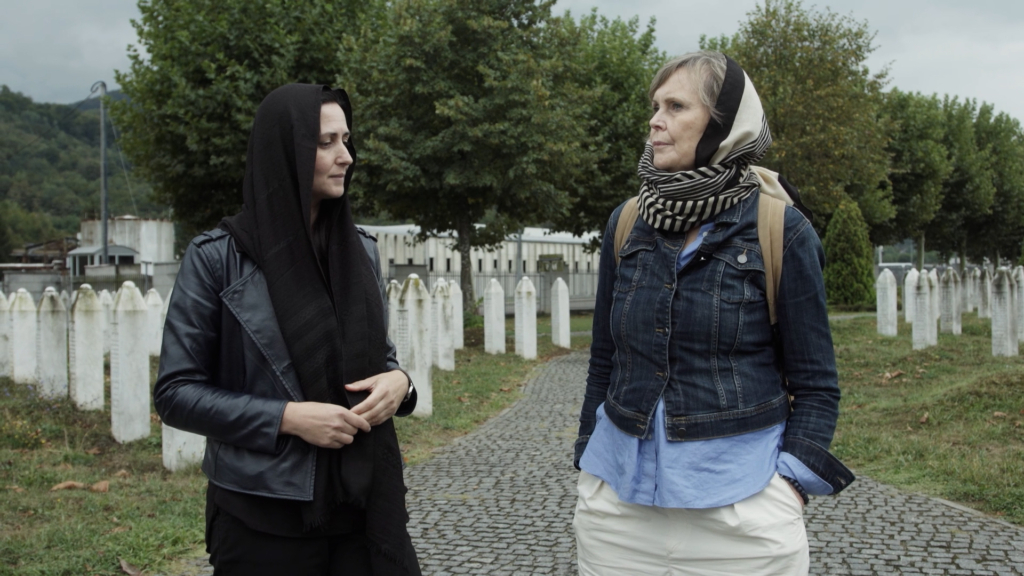
Throughout 2023 and 2024, graphic artist Anneli Furmark and survivor Almasa Salihović met in Sarajevo and online to co-create a graphic narrative based on Almasa’s lived experience in the Bosnian war of 1992-1995, and specifically in Srebrenica in 1995, where her brother Abdulah became of one of the victims. The relationship between Furmark and Salihović was facilitated by Ajnura Akbaš, Research Coordinator at the War Childhood Museum in Sarajevo, and Sabine Rutar, Senior Researcher at the Leibniz Institute for East and Southeast European Studies in Regensburg.
Getting to know Almasa
Almasa’s story is set in the disintegrating Yugoslav Federation, where the deadliest among the conflicts in the occurred in Bosnia and Herzegovina. The single worst atrocity occurred in 1995 when the town of Srebrenica, a UN-declared safe area, came under attack by forces led by the Bosnian Serb commander Ratko Mladić. During a few days in July, more than 8,000 Bosnian Muslim men and boys were executed by Serb forces in an act of genocide. The rest of the town’s women and children were driven out. This was the first genocidal violence in Europe since the Holocaust.
The narrative begins in the village of Skejići, where Almasa’s family lived before the war. As violence escalated, they fled through surrounding forests in search of safety. Among the losses she carries is that of her older brother Abdulah, whose fate remains a profound wound in her family’s history.
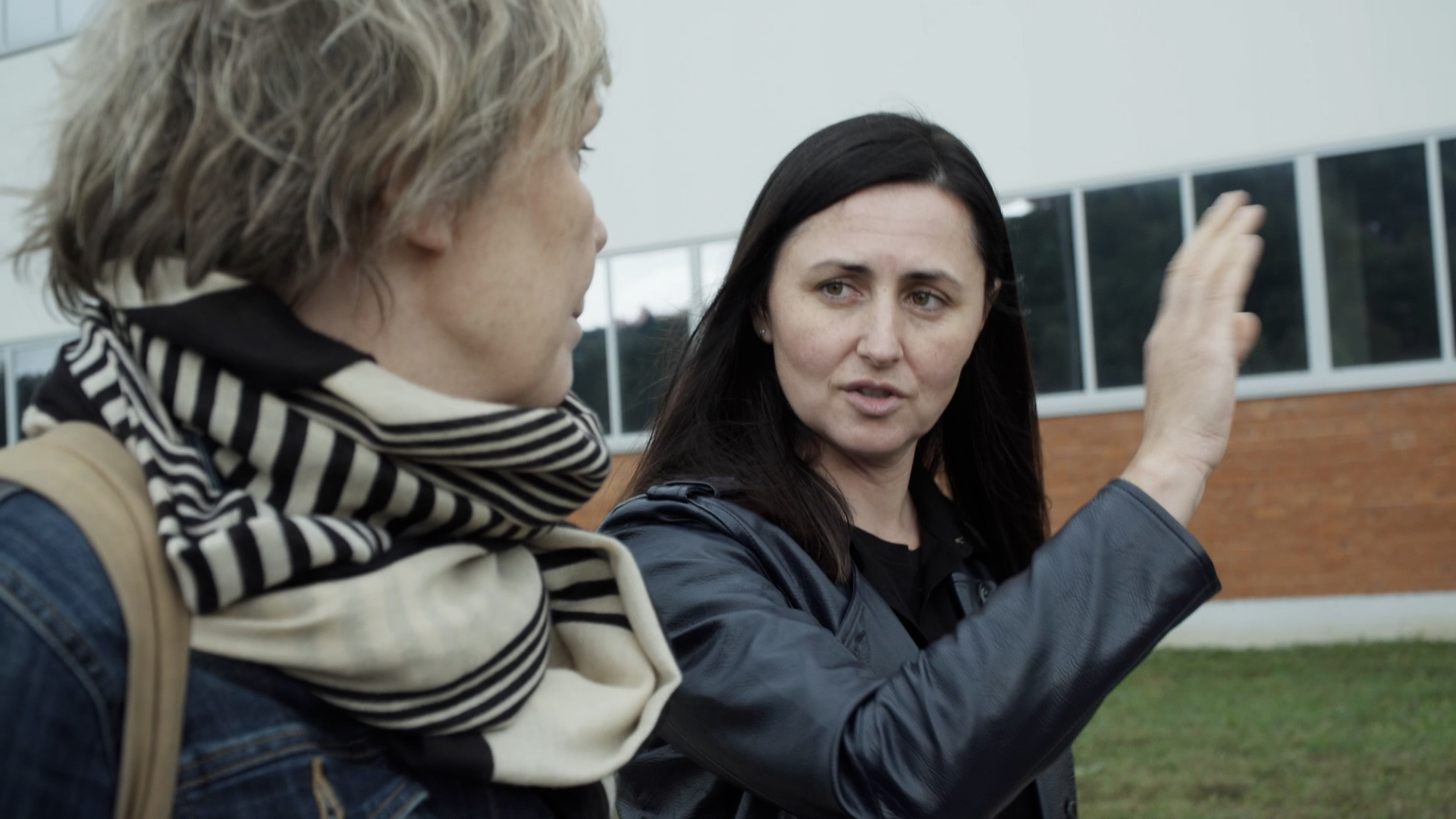
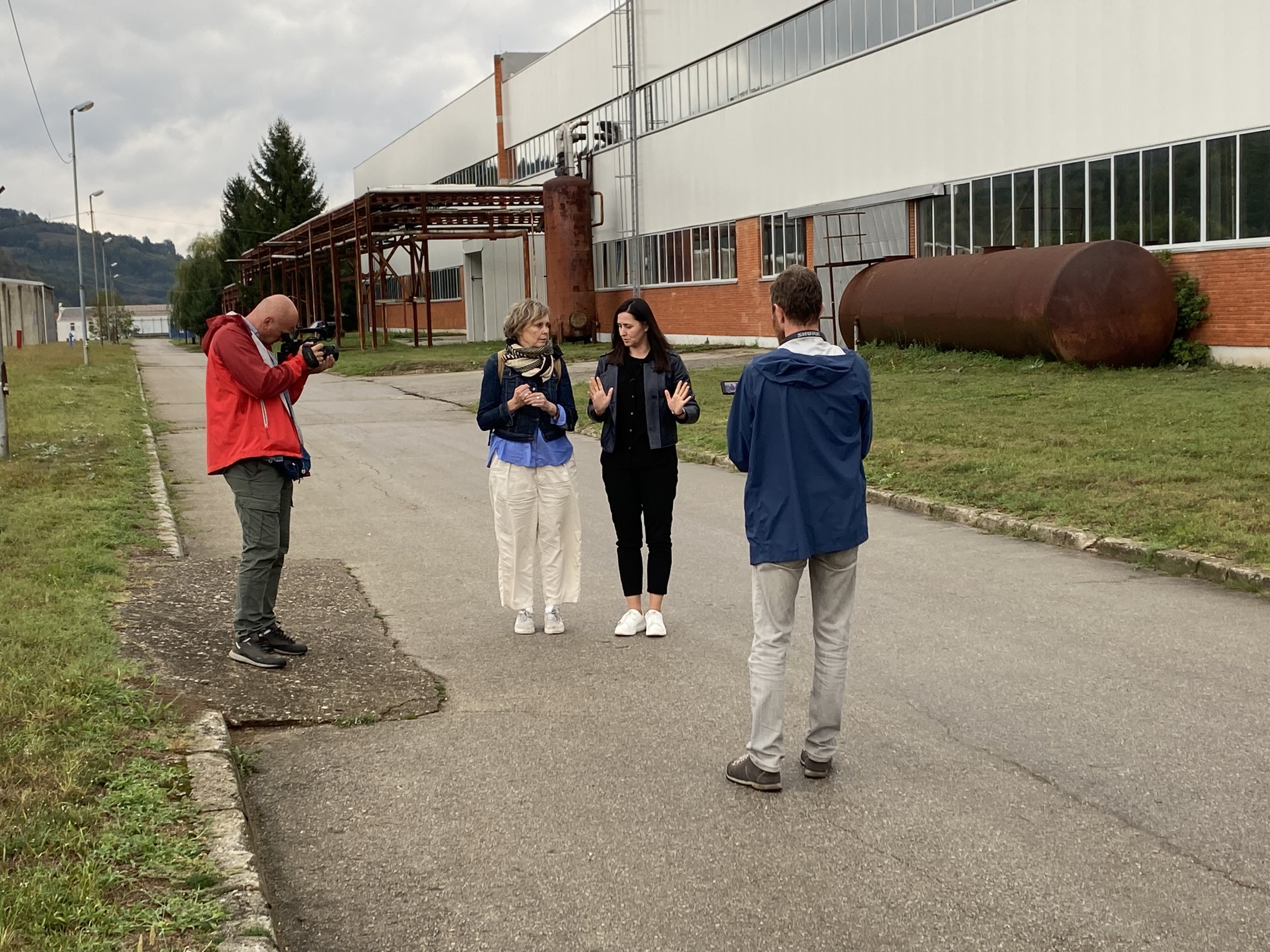
Top left: Almasa (right) in conversation with Anneli (left) outside a factory during filming in Sarajevo.
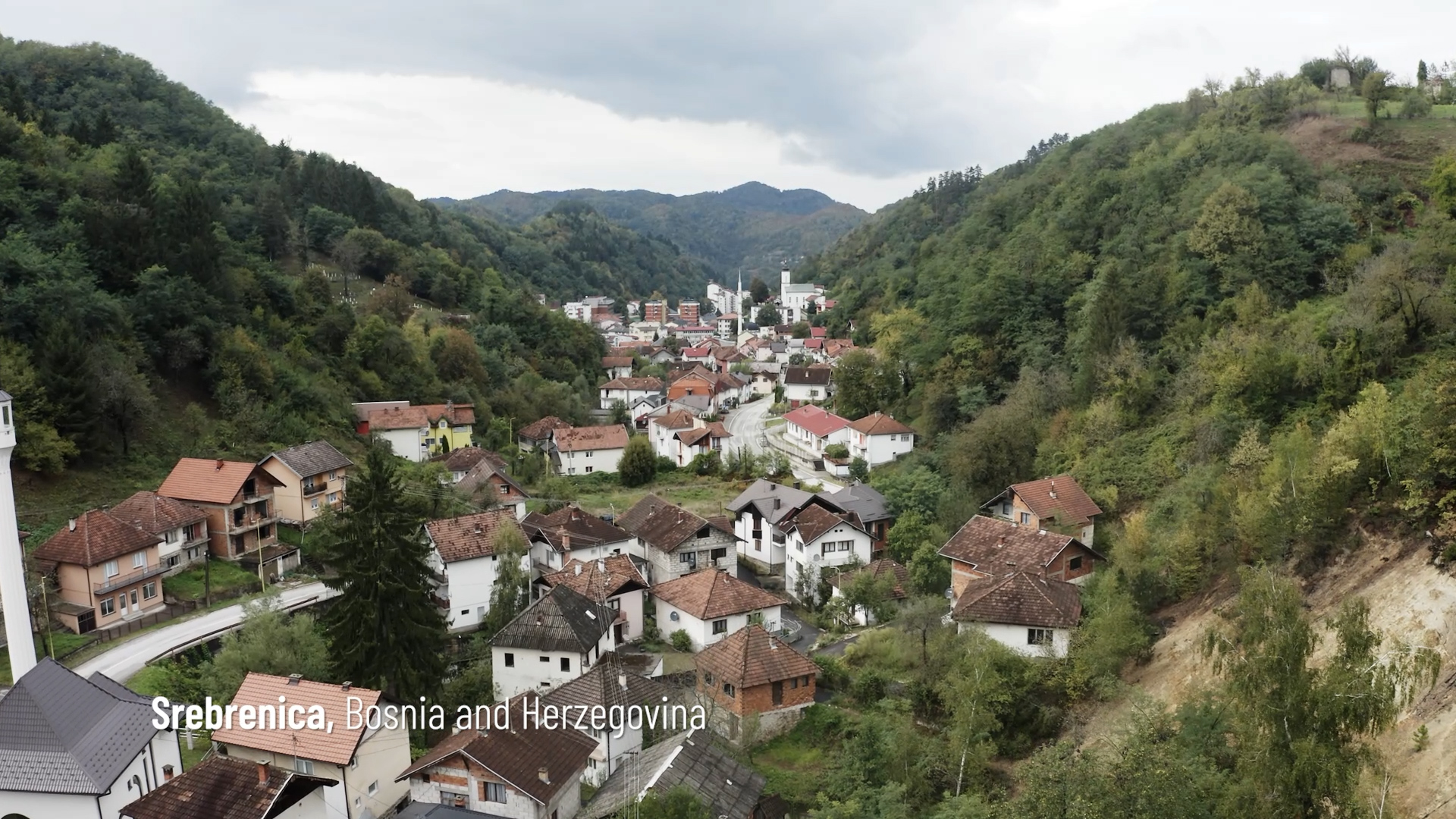
Top right: The town of Srebrenica.
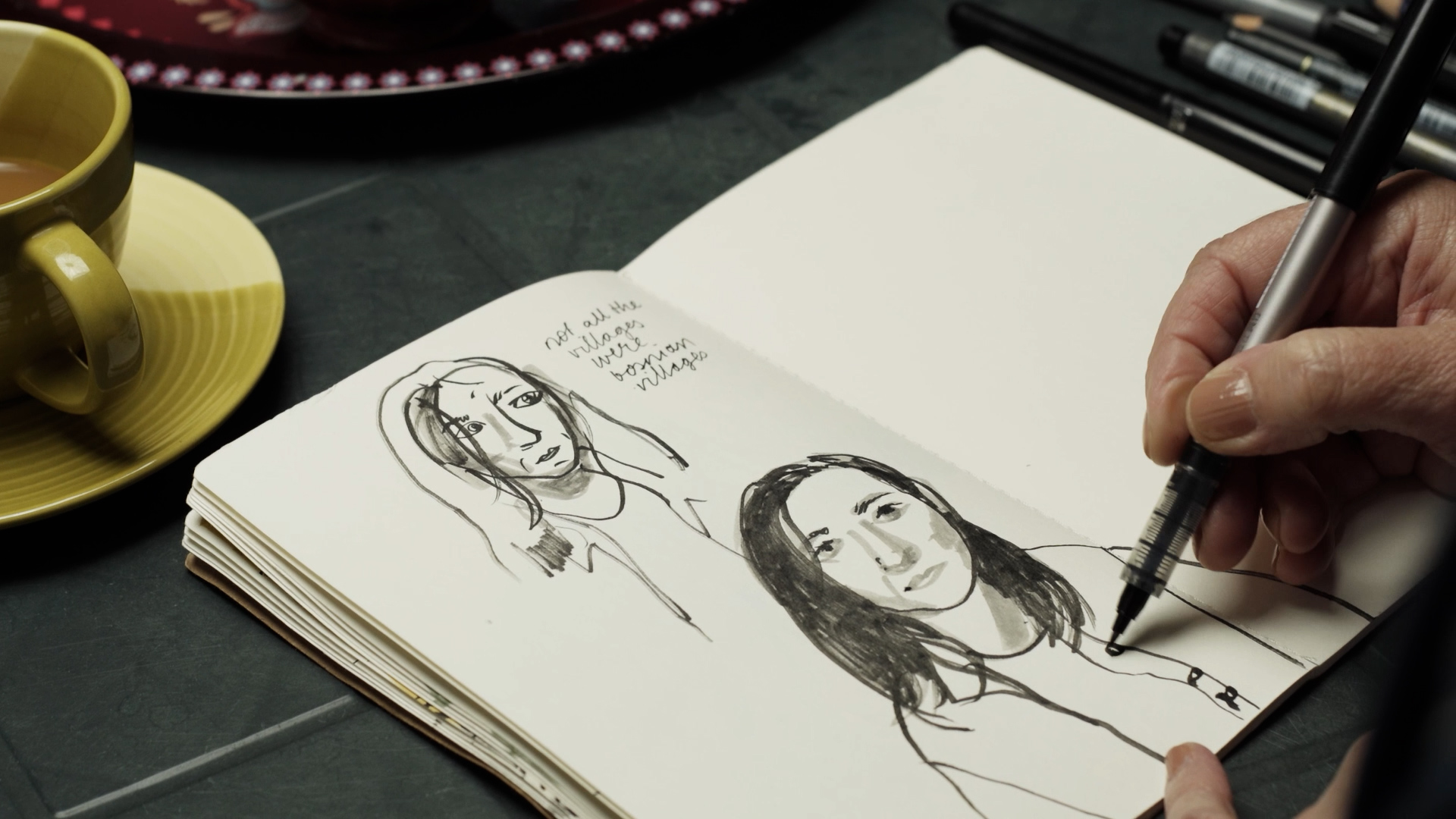
Right: Initial sketches of Almasa.
The following images are stills from the film ‘Almasa’s Story’ by Bojan Hadžiabdić.
'As Long As We Are Together'
As of summer 2025, the visual narrative inspired by Almasa’s story has expanded to 60 pages, and the book, ‘As Long As We Are Together,’ is nearing completion. In addition to Anneli’s graphic narrative, the book will include contributions by co-editors Sabine Rutar, Franziska Zaugg, and Charlotte Schallié, who reflect on the imperative importance of personally connecting with survivors’ stories and honoring their lives. To offer a glimpse into the creative process, the book will also feature Anneli’s early sketches and storyboard drawings, showcasing the evolution of the project.
Details from pages 13, 21, and 41 from ‘As Long As We Are Together’. Image credit: Anneli Furmark.
Documentary Film
Almasa's Story (2025)
Filmed in Bosnia and Herzegovina and directed by Bojan Hadžiabdić, the documentary follows Almasa as she revisits the physical and emotional geography of her past: the fields and hillsides of Skejići, the escape routes families took, and the places where survivors gather each year to commemorate the genocide. Set against the backdrop of a country still navigating the legacy of a war that claimed more than 100,000 lives and displaced over two million people, the film traces Almasa and Anneli’s conversations, revealing how Anneli approached transforming Almasa’s memories into visual form.
By interweaving testimony, artistic process, and a landscape shaped by both trauma and resilience, Almasa’s Story offers an intimate portrait of survival, remembrance, and the strength that sustains Almasa’s life today.