
Rwanda Research Cluster’s ‘Why We Dance’ and ‘A Compassionate Heart’ premiered at Kigali Genocide Memorial, Rwanda
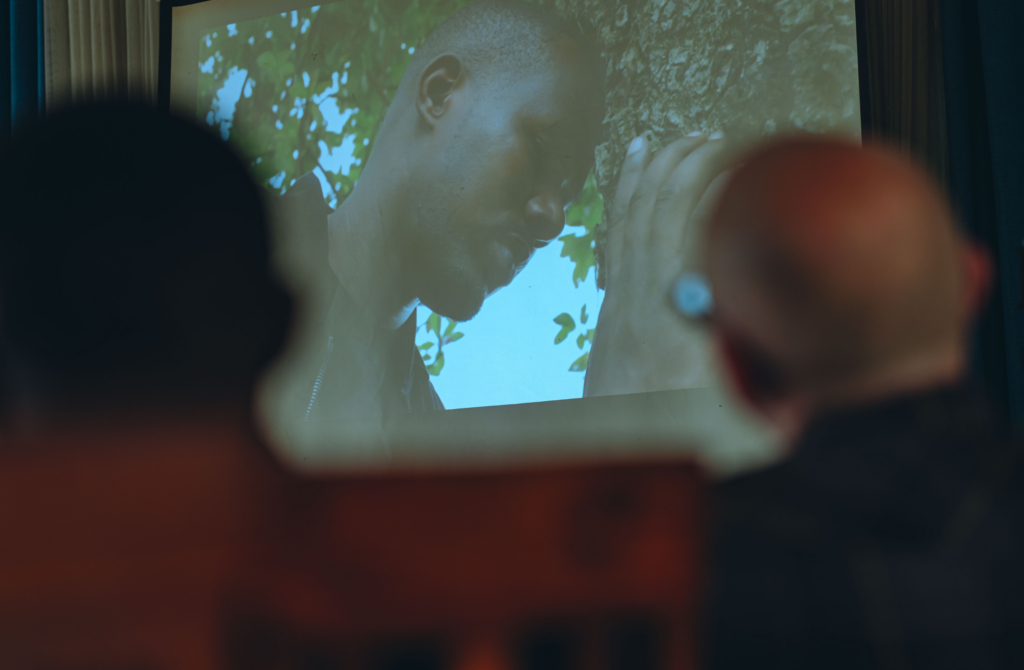
Rwandan premiere of Why We Dance, directed by Marc Ellison, 2026. Image credit: Gift Munyarugerero of Tripus Photografy.
Guest blog by Advanced Research Fellow, Dr. Anna Ball
2026 marks 32 years since the 1994 genocide against the Tutsi in Rwanda: a period of atrocity in which Hutu Power extremists attempted to annihilate the nation’s Tutsi minority. It is a stark example of mass violence in recent history. Through its collaborative work with survivors and graphic novelists, the Rwanda Research Cluster of the SSHRC-funded Survivor-Centred Visual Narratives (SCVN) project seeks to deepen understanding of this genocide, through the creation of visual narratives that offer new ways for audiences within and beyond Rwanda to comprehend and grapple with the human dimensions of an episode of mass atrocity that can easily be reduced to overwhelming statistics.
On 17th April 2026, Rwanda Research Cluster co-leads, Dr. Fransiska Louwagie and Professor Erin Jessee, accompanied by filmmaker Marc Ellison, travelled from Scotland to Rwanda to premier two short films that capture their work with survivors of the Rwandan genocide on the SCVN project. Why We Dance focusses on the story of Jerome Irankunda, who survived the genocide as a child; while A Compassionate Heart conveys the story of Madeleine Mukarwego, an adult survivor who became a prominent community leader through her participation in the Gacaca Courts.
Premiered at the Kigali Genocide Memorial as part of this year’s Kwibuka (‘to remember’) commemoration, the films offer powerful insights into the stories that the survivors brought to the projects, as well as the collaborative relationships that emerged between each survivor and the graphic novelists who were tasked by the Rwanda Research Cluster with reimagining their stories as visual narratives: Elyon’s (who worked with Madeleine, alongside her son Sylvere Mwizerwa) and Michel Kichka (who worked with Jerome, alongside his wife Nina Uwera).
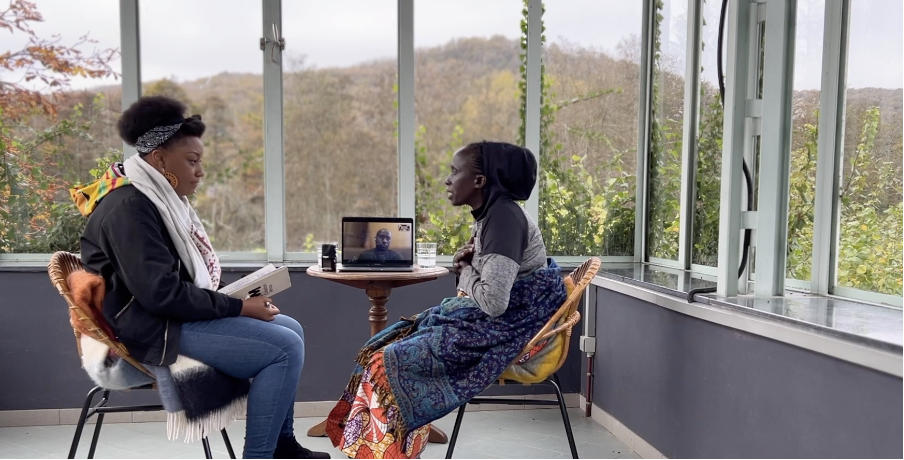
Graphic artist Elyon’s (left), working with Madeleine (right). Still from A Compassionate Heart, directed by Mark Ellison.
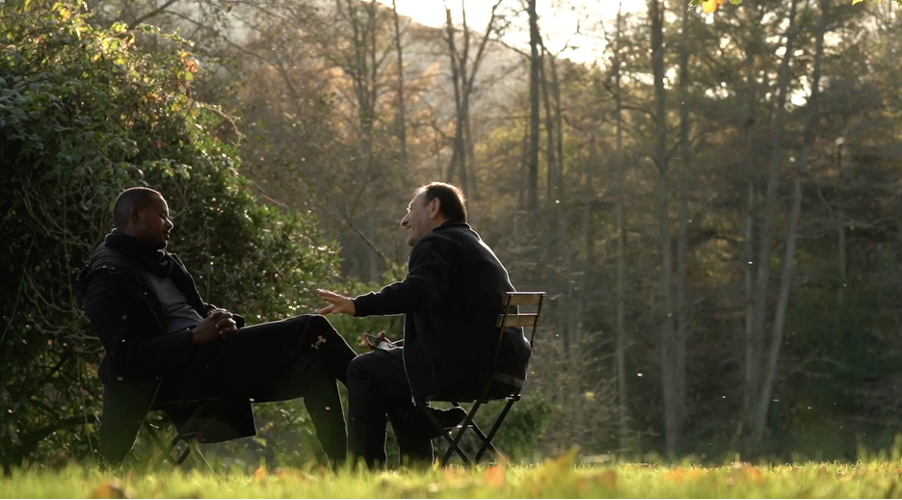
Graphic artist Michel Kichka (right) working with Jerome Irankunda (left). Still from Why We Dance, directed by Mark Ellison.
Both films include footage of the collaborative process between the survivors and the artists, and key places in Rwanda that feature in their testimonies. Attended by an audience of distinguished guests from the Kigali Genocide Memorial, MINUBUMWE, IBUKA and other stakeholders, as well as educators and students, the film premiere was an important opportunity for the survivors to share their stories and experiences, and to connect with partners who are guiding Rwanda’s present and future generations beyond the legacies of genocide. Marc, Jerome, Madeleine and Nina led a preparatory workshop for film production students at the East African University of Rwanda ahead of the official premiere.
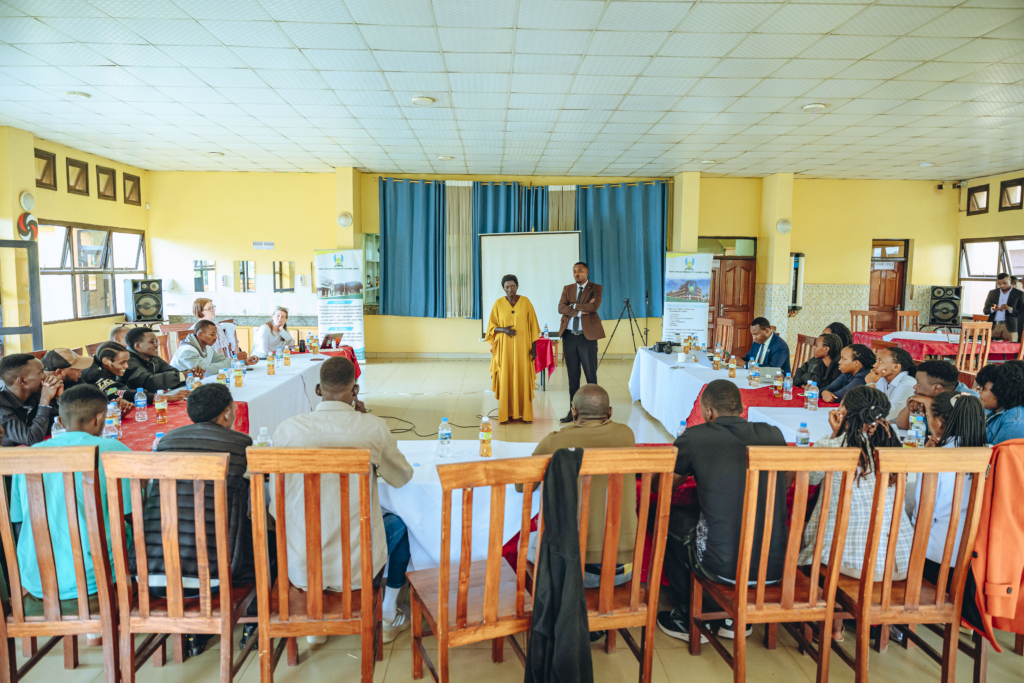
Survivors Madeleine Mukarwego and Jerome Irankunda speak to a panel of educators, students and dignitaries in advance of the Rwandan premiere of the short films documenting their work on the SCVN project, at the East African University of Rwanda. Image credit: Gift Munyarugerero of Tripus Photografy.
Speaking of her motivations for participating in the SCVN project, Madeleine offered a powerful message to the audience:
“To make sure these things never happen again, we must write them, we must talk about them.”
In A Compassionate Heart, Marc captures Madeleine’s emotional strength amid her emerging rapport with graphic novelist Elyon’s, as they explored how best to portray her extraordinary experiences as a mother to several children during the genocide, who escaped a massacre by feigning death, then fled to Idjwi Island in the Democratic Republic of Congo, before returning to rebuild her life and homestead against an enduring backdrop of violence and threat. Through sensitive and lyrical filmmaking, Marc captures what it truly means to have a heart that is not only resilient, but also extraordinarily forgiving towards people who have harmed us and those dear to us.
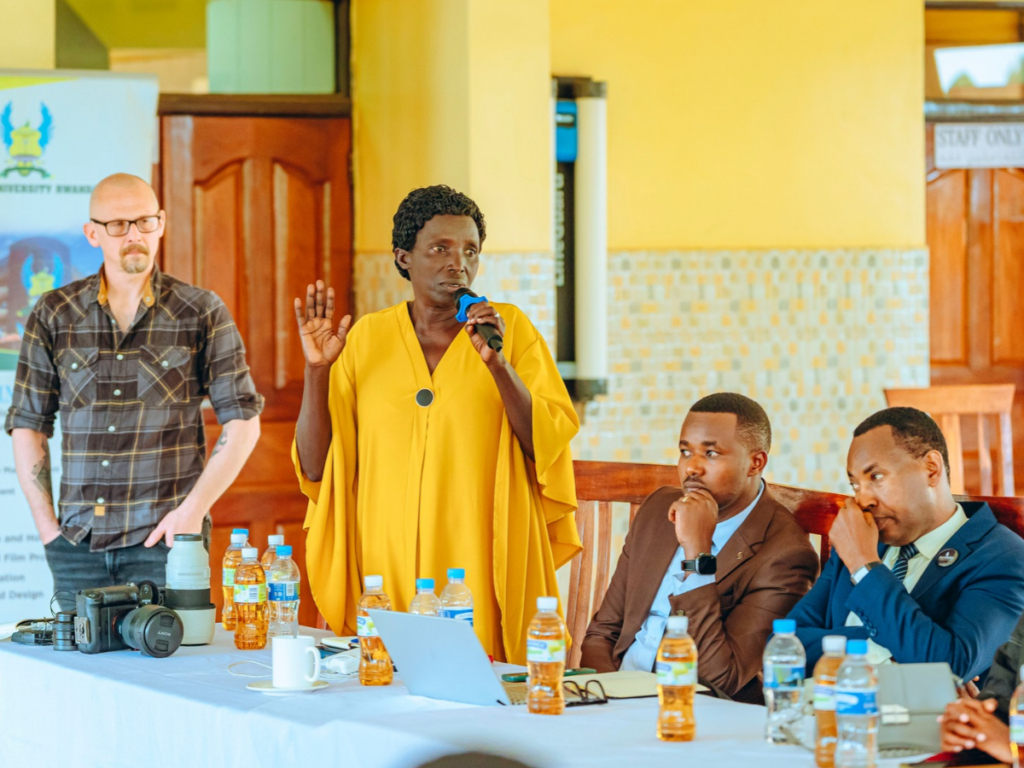
From left to right: filmmaker Marc Ellison; survivor Madeleine Mukarwego, presenting her experiences of working on the project; and survivor Jerome Irankunda. Image credit: Gift Munyarugerero of Tripus Photografy.
In Why We Dance, meanwhile, Marc offers a richly place-and-person-centred portrait of Jerome, who was just six when the church in which he and his family had taken shelter from Hutu power extremists was laid siege. While Jerome managed to escape and flee across the border with his uncle, he never saw his parents again; yet against all odds, today he raises a loving family of his own with his wife Nina, and maintains a successful university career. The film portrays the warm and trusting relationship that developed between Jerome and graphic novelist Michel, himself the son of a Holocaust survivor, as they set out to tell Jerome’s story in a way that celebrates his and his family’s commitment to peace and success for future generations.
Why We Dance has already been screened at a number of festivals worldwide and, as of October 2026, has received the Audience Award for Best Short Film at the Toronto/Los Angeles Documentary Feature and Short Film Festival; the Award of Excellence in the Documentary Short category at the IndieFEST Film Awards; and the Best Documentary Short by the World Indie Film Awards. Speaking of his work on the project, Jerome stated:
“From the moment I was introduced to this project by Erin, Fransiska, Marc, and Michel, I felt a deep sense of excitement and readiness to finally share my story. For many years, I had longed for a safe and meaningful platform where I could tell my story comfortably—and this project became that long-awaited opportunity.”
As I’ve learned that Why We Dance has won and continues to win awards, I have been deeply surprised and positively moved. This recognition signifies that our story is reaching audiences across the world, creating awareness and understanding. It is my hope that this achievement will inspire other survivors to overcome fear and find the courage to share their own stories.”
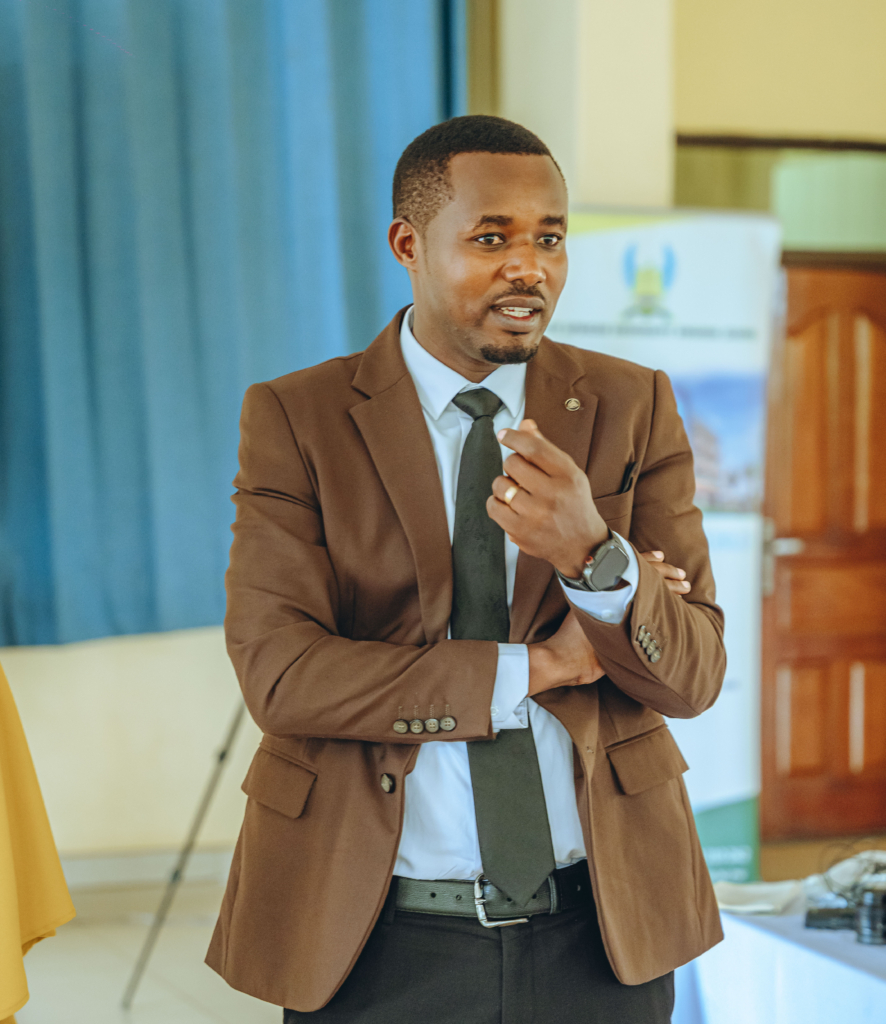
Survivor Jerome Irankunda shares his experience of making Why We Dance and of his wider work on the SCVN project. Image credits: Gift Munyarugerero of Tripus Photografy.
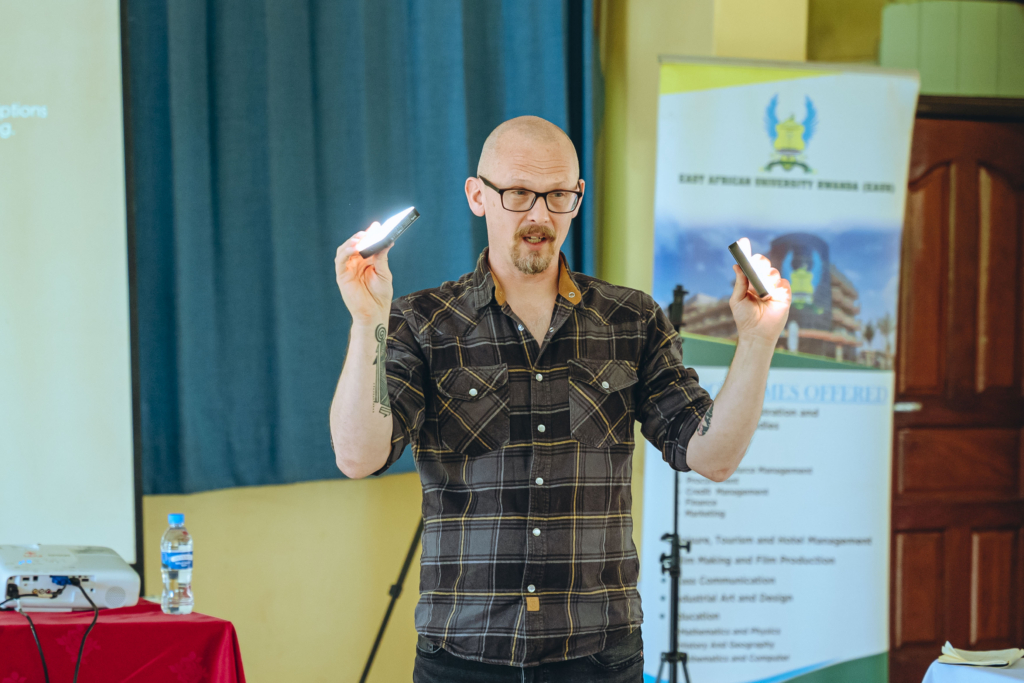
Director Marc Ellison, speaking to filmmaking students at the East African University Rwanda in a workshop prior to the film screening. Image credit: Gift Munyarugerero of Tripus Photografy.
Speaking of his collaboration with Jerome, and of the film’s success, Marc commented: “Jerome and I have known each other as friends and colleagues for years, so it means a great deal to me to see that Jerome’s story, and his remarkable resilience in the face of such horrific violence, is resonating with juries and public audiences internationally. It is an incredible privilege to be entrusted with helping to tell his story.”
The short films are important project outputs which operate as companion pieces to the graphic narratives produced between survivors and graphic novelists via the Survivor-Centred Visual Narratives Project. The graphic novels will form a central part of the book, When Genocide Called, which will be published with the University of Toronto Press in 2027. Both the films and graphic novels offer vital tools with which to expand and enhance genocide education, within and beyond Rwanda – particularly in their distinctive model of survivor-led co-creation. Speaking of the significance of the film screenings in relation to their wider work on the project, Erin and Fransiska said:
“These short films document the relational process which underpins our work with survivors, and will support our efforts to engage young people as they build an understanding of the genocide and its impacts.”
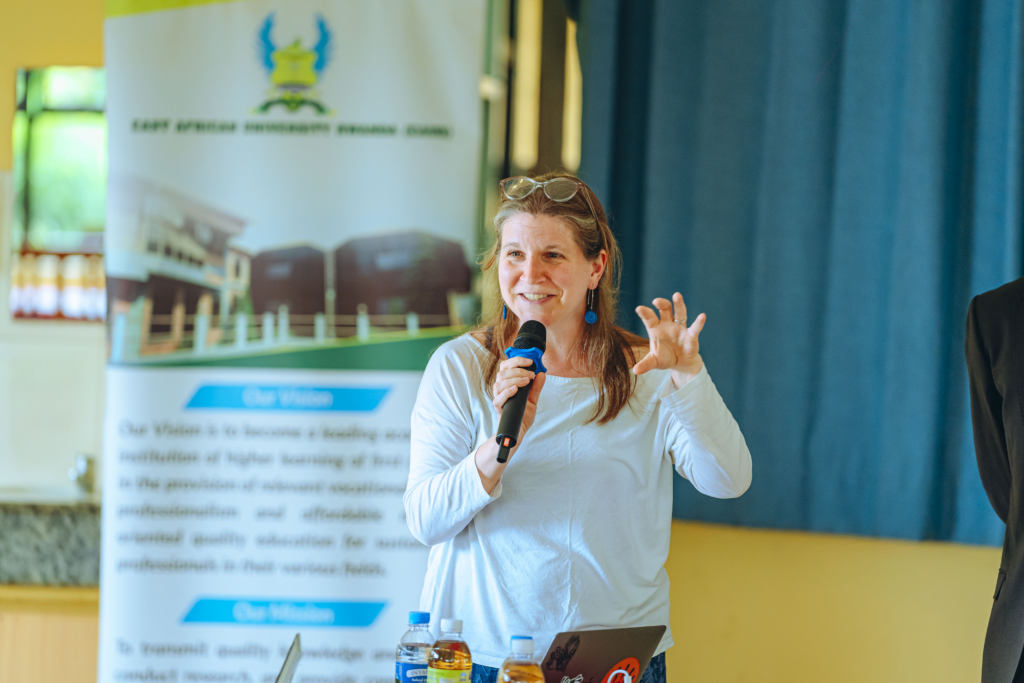
Professor Erin Jessee, co-lead of the Rwanda Research Cluster. Image credit: Gift Munyarugerero of Tripus Photografy.
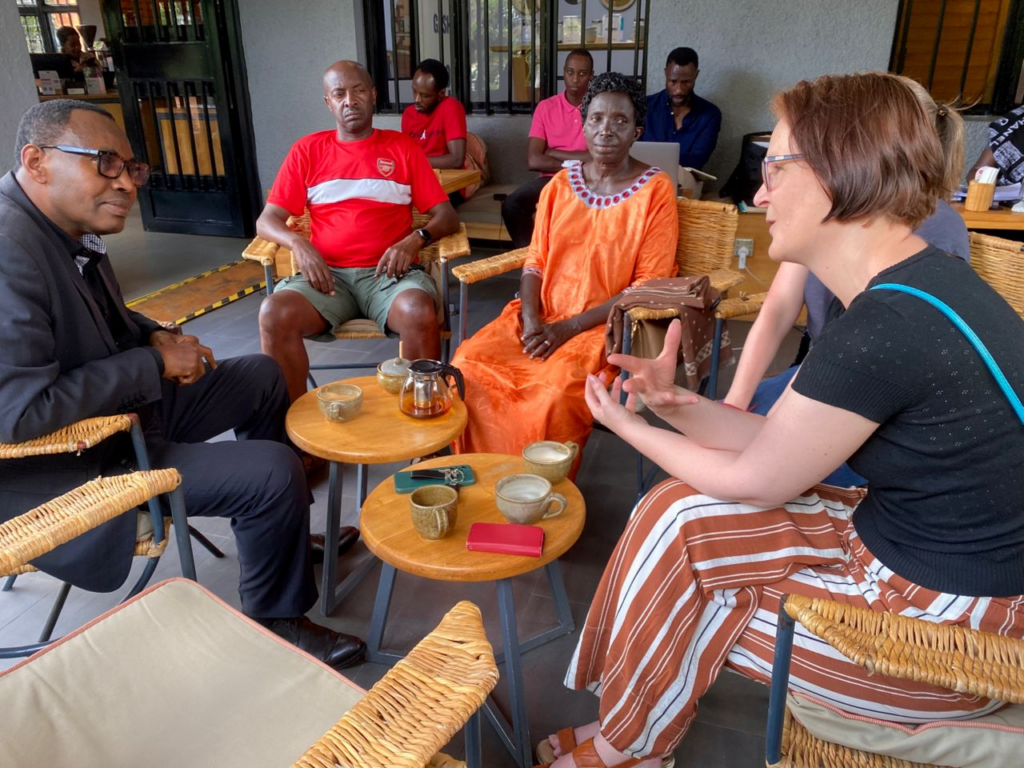
Dr Fransiska Louwagie (right), co-lead of the Rwanda Research, pictured here in a meeting with Vice Chancellor. Calixte Kabera,Vice-Chancellor at the East African University Rwanda, who hosted the student workshop and film screening. Image credit: Gift Munyarugerero of Tripus Photografy.
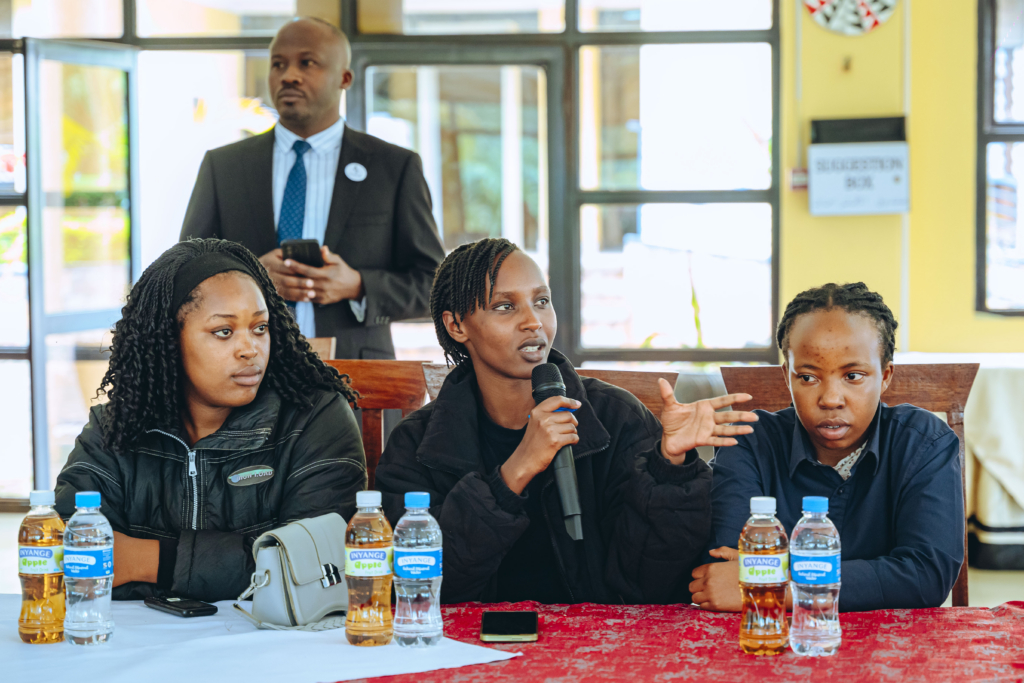
Students at the East African University Rwanda, exploring the survivor-led narrative work’s potential to enhance genocide education in Rwanda. Image credit: Gift Munyarugerero of Tripus Photografy.
In his introduction to the films at the Kigali Genocide premiere, Ismael Bakina, Director of Youth Education and Culture for IBUKA (the organisation representing Rwandan genocide survivors), commented:
“Today has been more than an event; it has been a powerful journey through memory, resilience, and humanity. The testimonies we have witnessed are not only stories of pain, but also stories of courage, dignity, and the strength to rebuild life after unimaginable tragedy.
We commend the SCVN initiative for its commitment to ethically preserving and sharing the voices of survivors of the Genocide against the Tutsi. By transforming these testimonies into visual narratives, you are ensuring that memory is not only preserved, but also transmitted in a way that speaks deeply to present and future generations.”
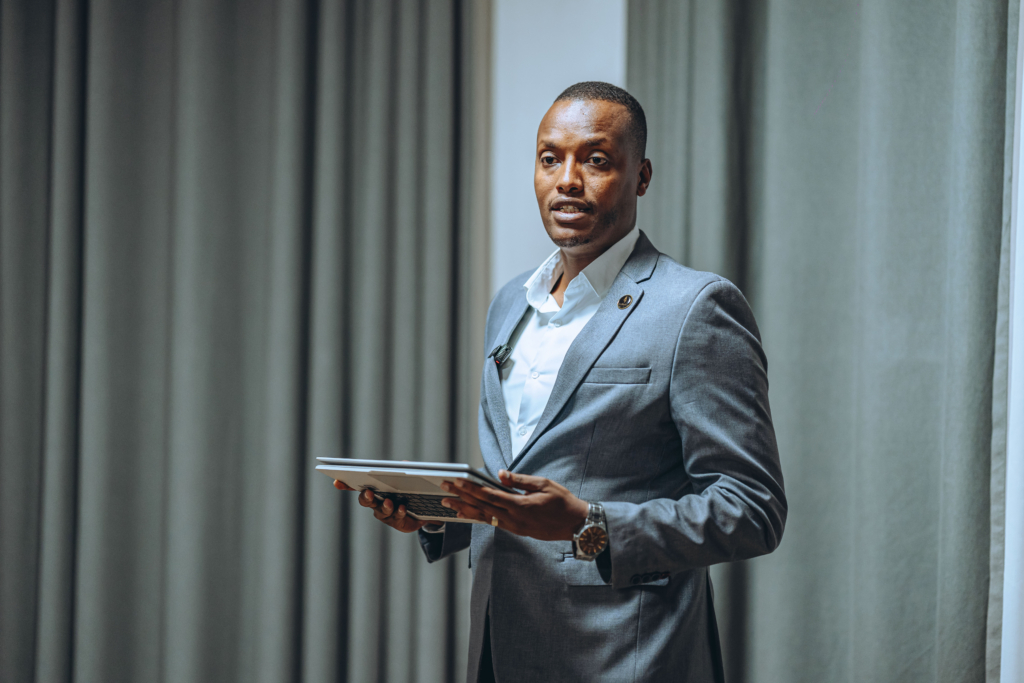
Ismail Bakina, Director of Youth Education and Culture at IBUKA, speaking at the films’ premiere. Image credit: Gift Munyarugerero of Tripus Photografy.

Celebrated Inanga player, Esther Niyifasha, who wrote and performed the original music for the two documentaries, performing during the film premiere at the Kigali Genocide memorial. Image credits: Gift Munyarugerero of Tripus Photografy.
The film premiere took place in Rwanda as part of the wider programme of impact and outreach activities developed by Erin and Fransiska as Rwandan Research Cluster co-leads, and was generously funded by Impact and Engagement Accelerator Funding from the University of Glasgow, while the educators’ workshops were additionally supported by the University of Aberdeen. The team is continuing to explore further screening and discussion platforms for the films, so that their message can continue to travel: that by sharing survivor stories in human-centred ways, it is possible to build a future rooted in unity, resilience and humanity. As Ibuka representative Ismael Bakina reminded all present back in April:
“Initiatives like this are essential in ensuring that ‘Never Again’ is not just a phrase, but a lived commitment.”
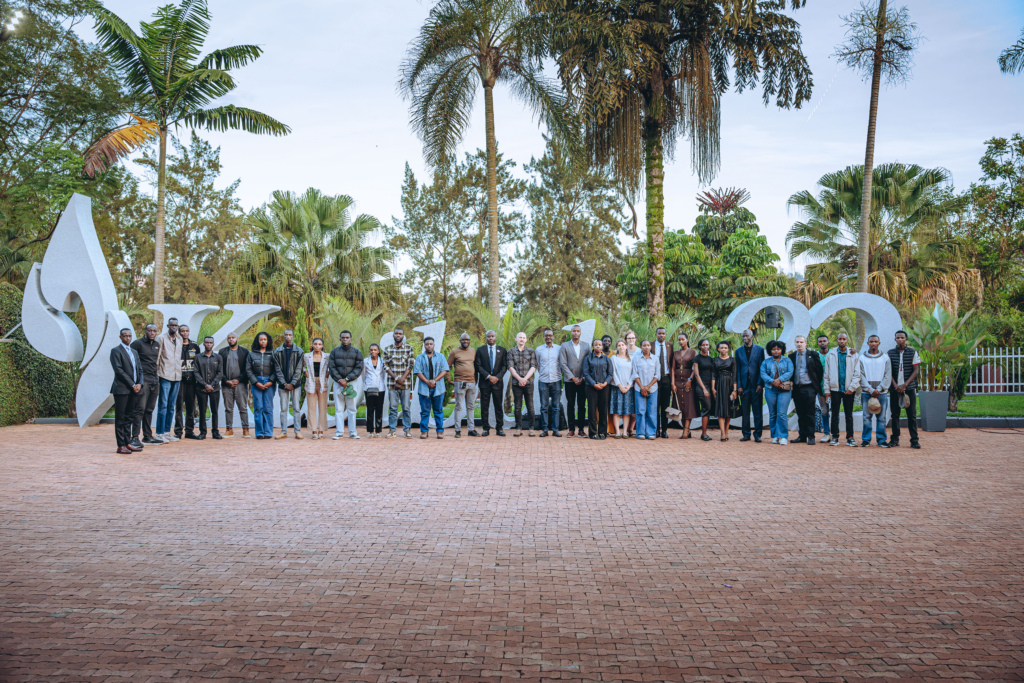
Workshop and invited dignitaries who attended the film premiere in honour of Kwibuka commemorations, April 2026, at the East African University of Rwanda. Image credit: Gift Munyarugerero of Tripus Photografy.
A short film showcasing the premiere event is available to watch here:
Thank you to Gift Munyarugerero of Tripus Photografy (@tripus_photografy_) for developing the short film of the event and providing many of the photos featured in this blog.
The trailers for both Why We Dance and A Compassionate Heart are available on the Survivor-Centred Visual Narratives YouTube Channel.
These films were funded by the Social Sciences and Humanities Research Council (SSHRC) of Canada.