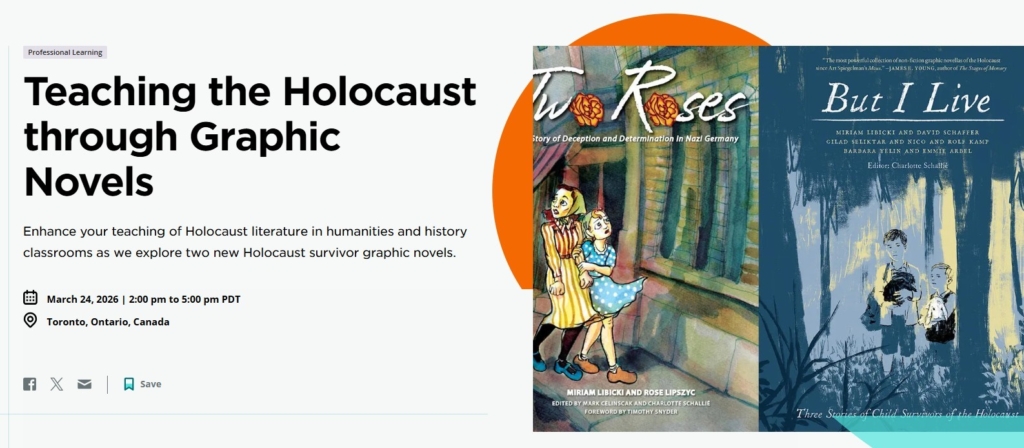
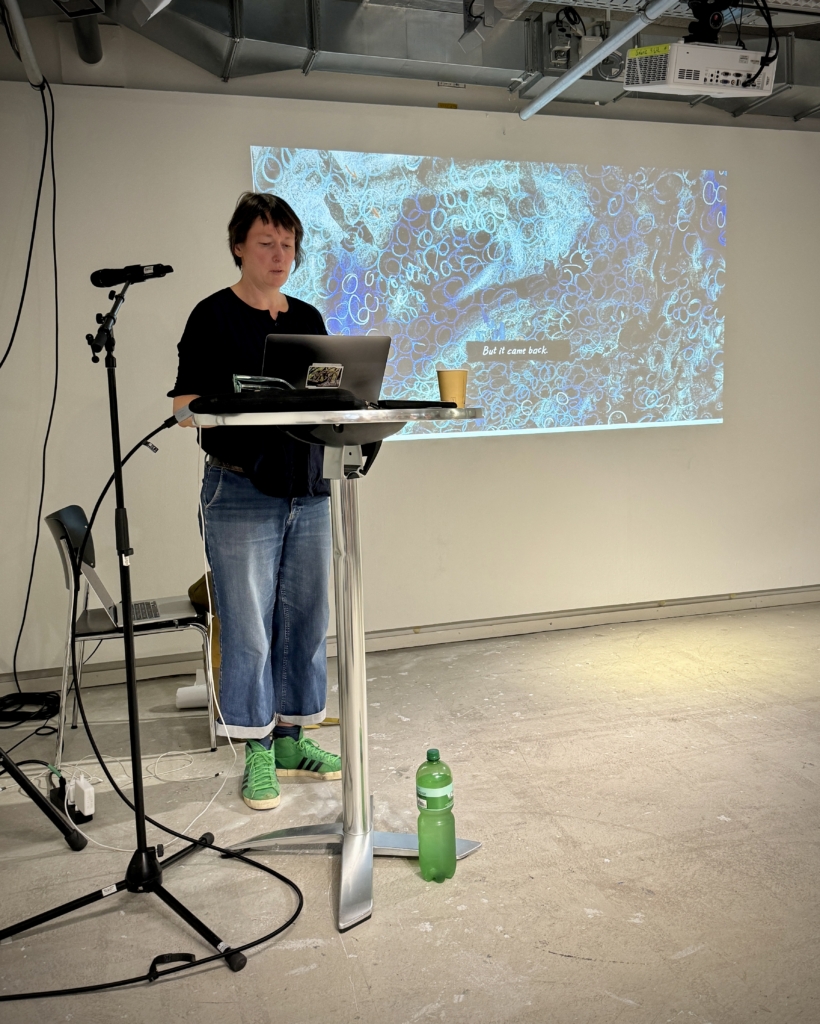
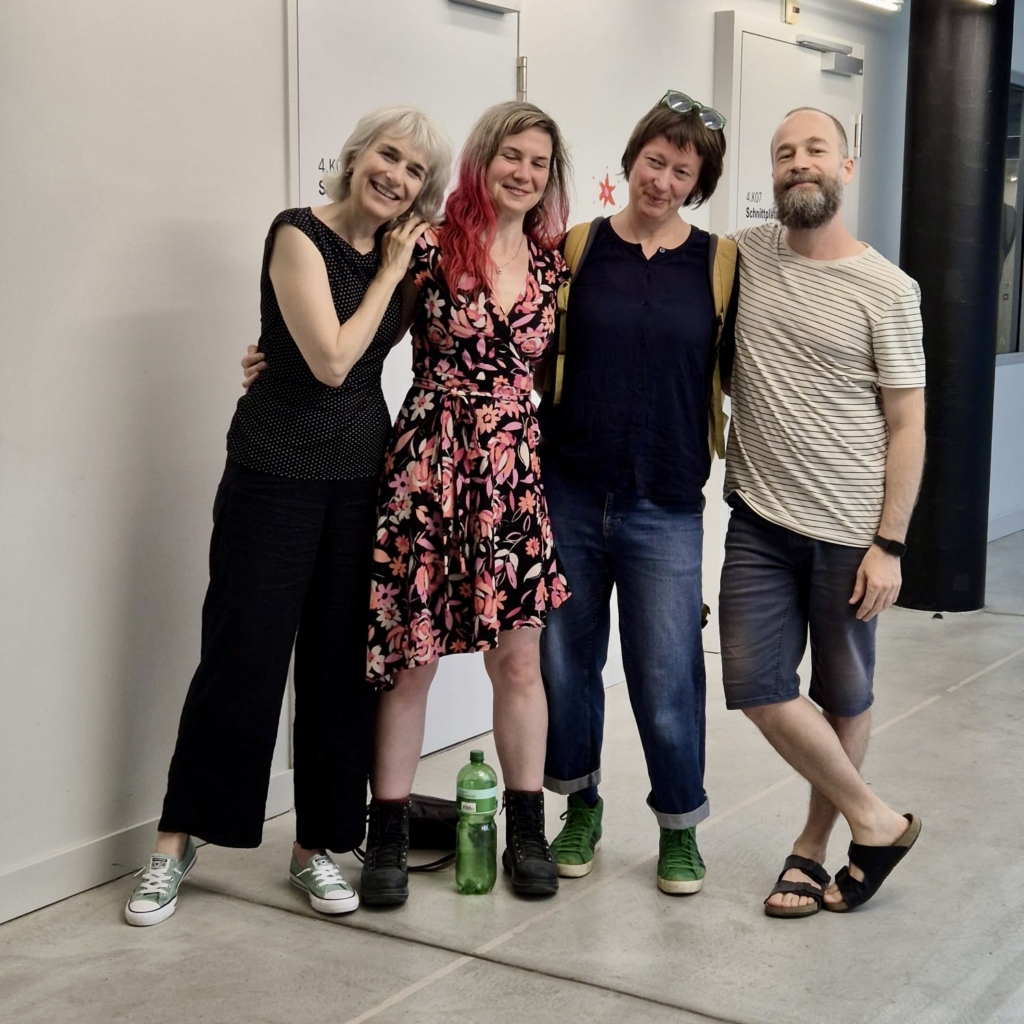
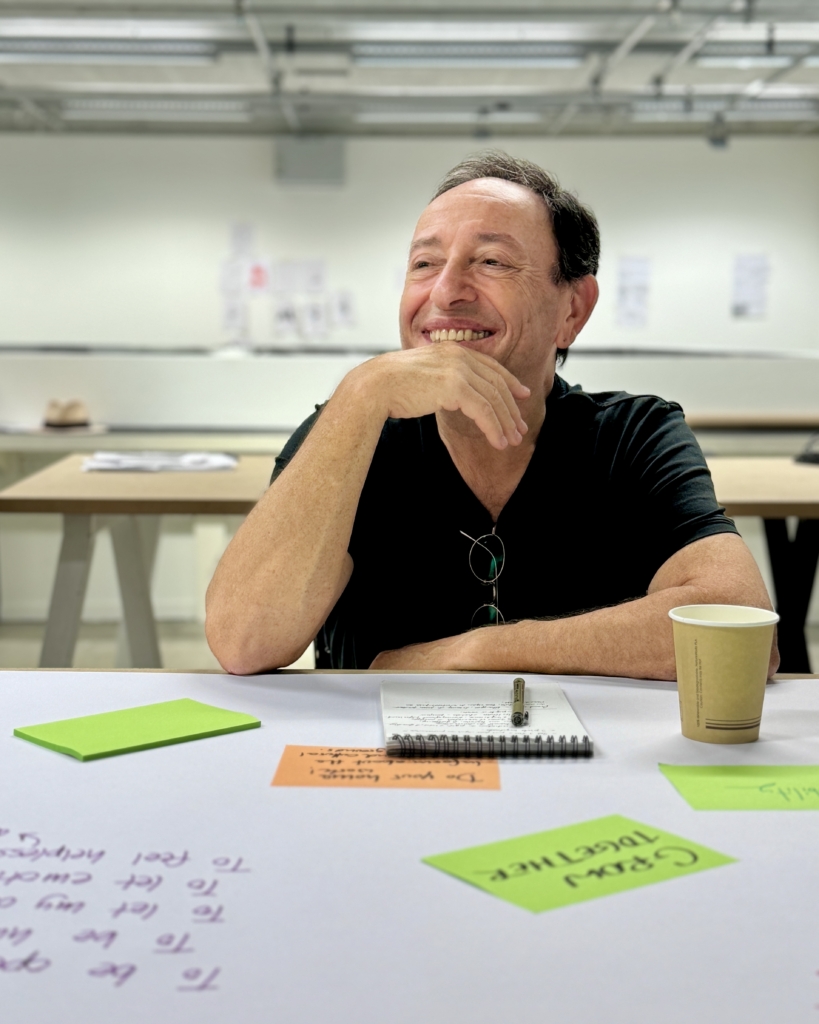
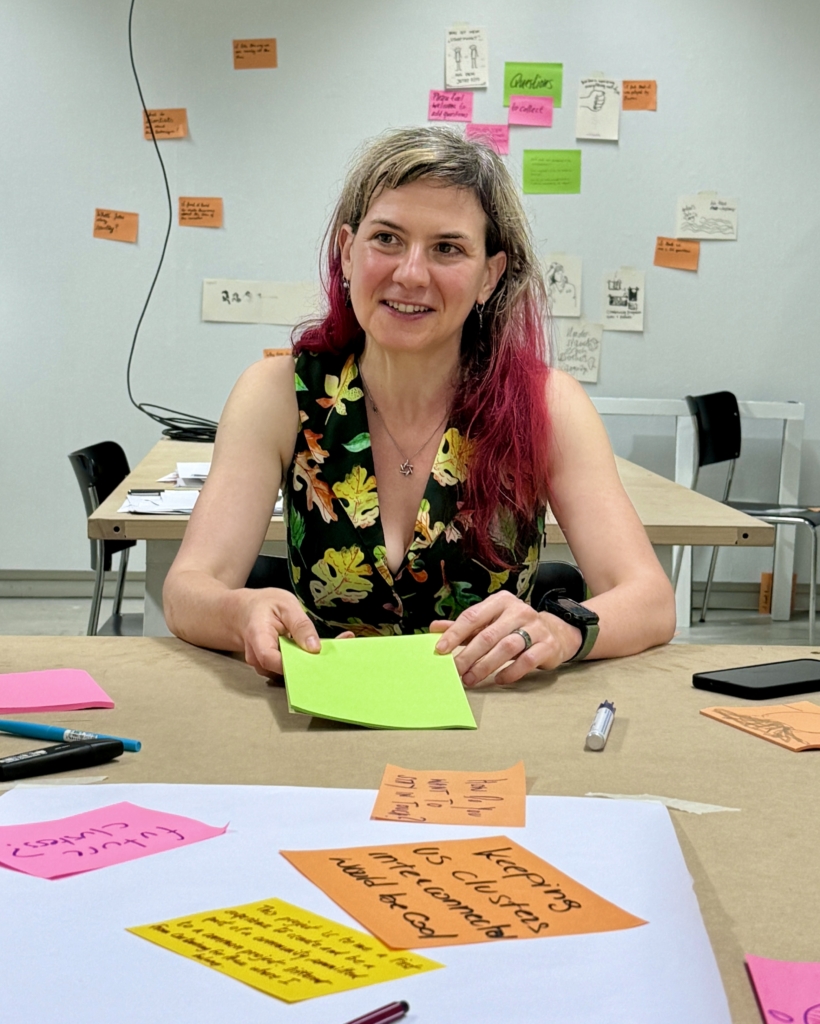
We are excited to announce that SCVN co-director Dr. Andrea Webb will co-host a workshop for educators in Toronto with the non-profit organization Facing History & Ourselves and their program assistant Amanda Baric. They will also be joined by graphic artist Miriam Libicki and historian Dr. Mark Celinscak. The workshop is on March 24, 2026 from 2:00 – 5:00 pm in person at the University of Toronto Schools. The event is free, and registration in advance is required, as catering and copies of the graphic novels will be provided: https://www.facinghistory.org/learning-events/teaching-holocaust-through-graphic-novels
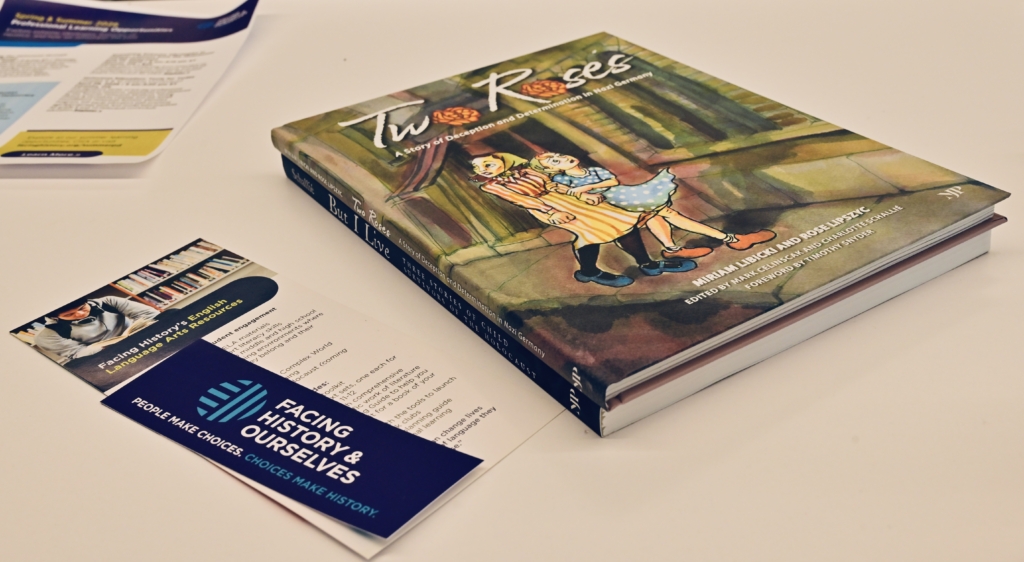
The interactive workshop provides resources and guidance to educators on how to teach the history of the Holocaust using graphic novels, including Miriam Libicki’s Two Roses and the graphic novel But I Live:Three Stories of Child Survivors of the Holocaust, as materials to engage middle and secondary students. It will also support teachers interested in teaching Holocaust graphic novels or literature as core or complementary text, and history and humanities teachers who are interested in extending and deepening student learning on the Holocaust and its legacies through survivor stories.
Facing History & Ourselves is a non-profit founded in Brookline, Massachusetts in 1976, and operating in Canada since 1981. Their primary goal, according to their website, is to use “lessons of history to challenge teachers and their students to stand up to racism, antisemitism, and other forms of bigotry and hate.”
Thank you to our partners at Facing History; Jasmine Wong, Leora Schaefer and Amanda Baric, for their programming and facilitation support.
This workshop was also made possible by additional funding from the National Holocaust Remembrance Program of the Government of Canada’s Multiculturalism and Anti-Racism Program (MARP).
April Update:
Below are pictures of the event provided by Facing History and Ourselves:
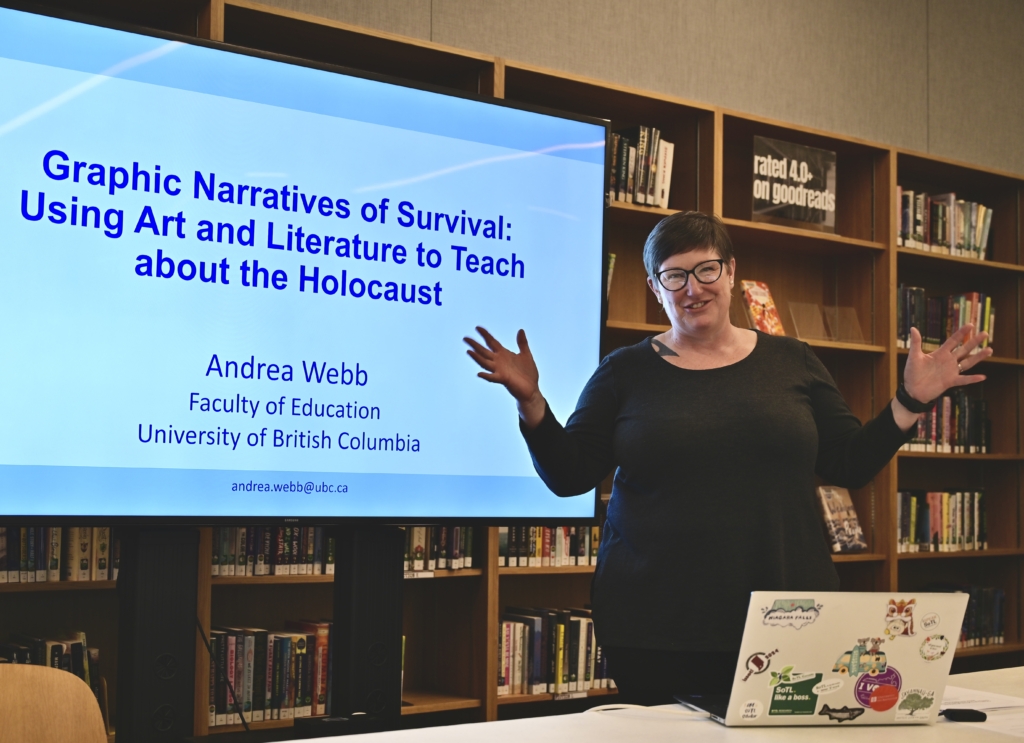
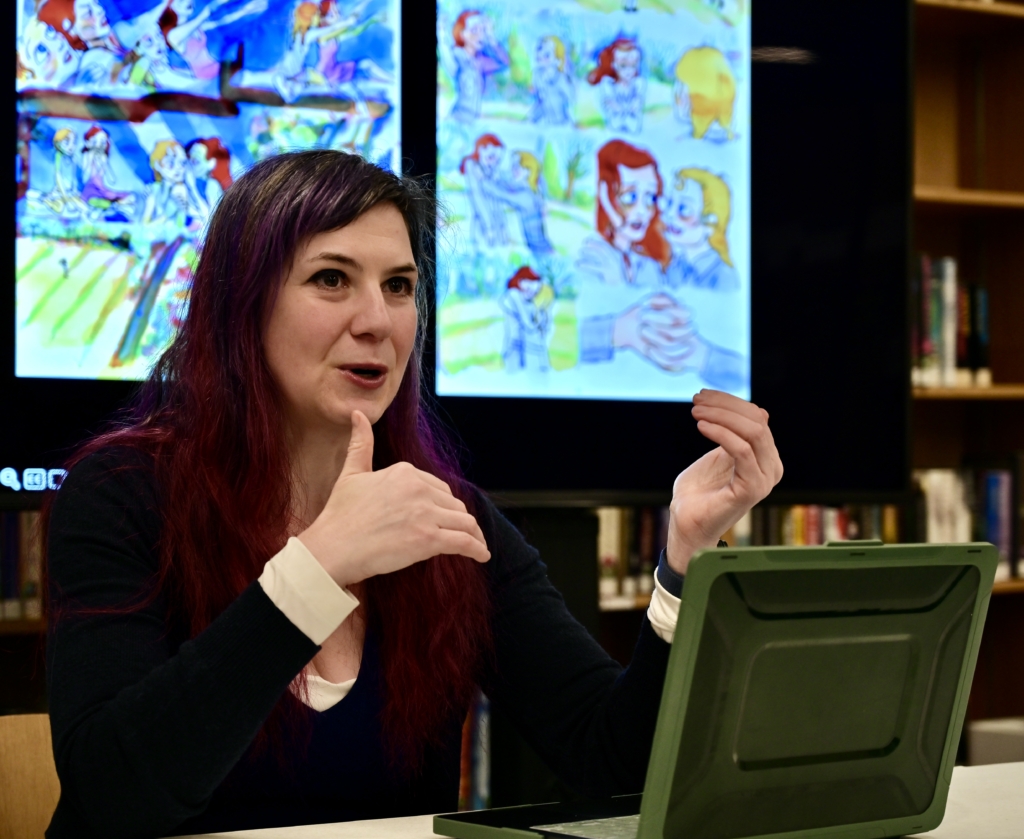
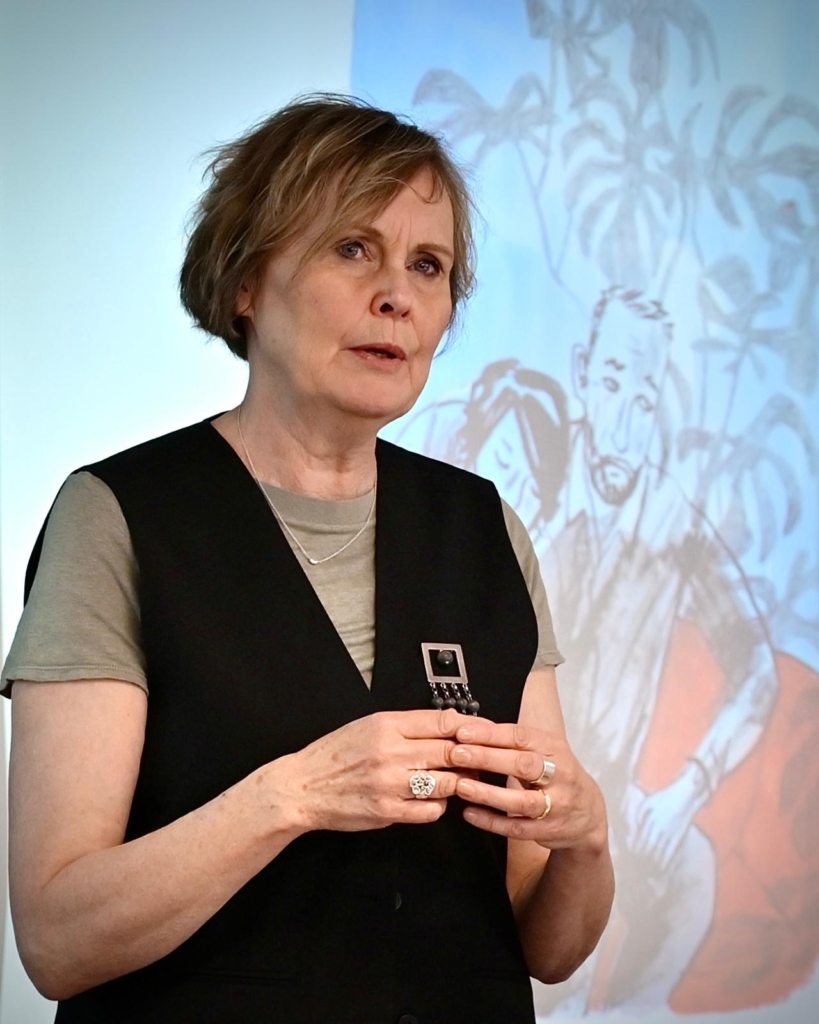
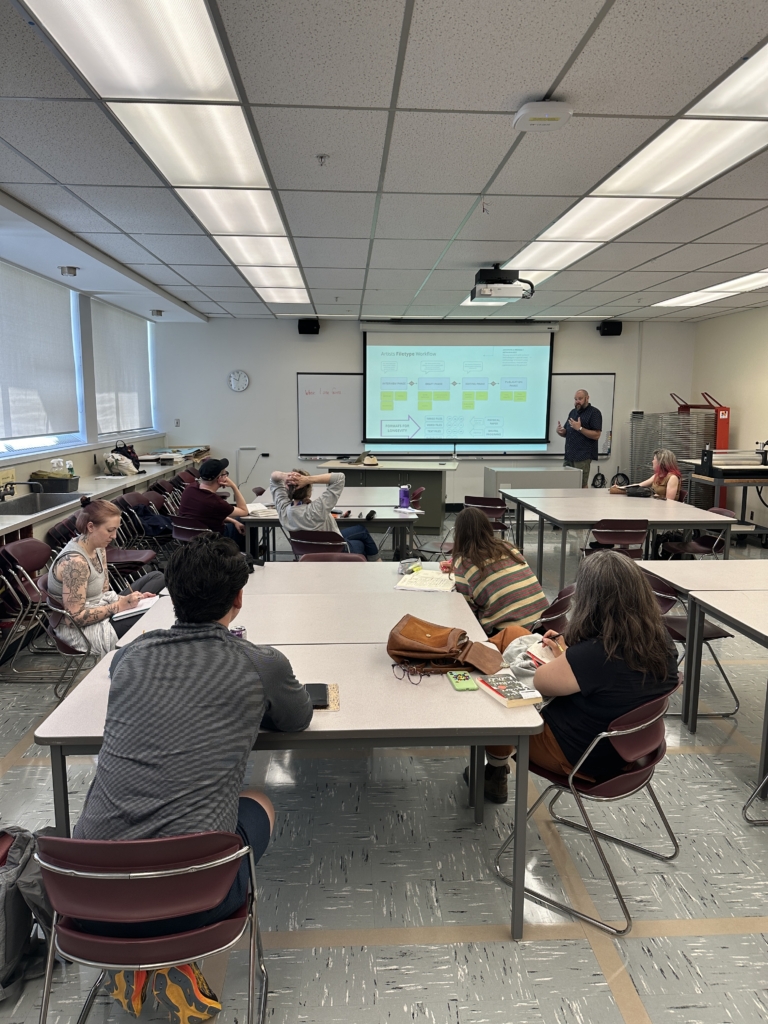
Andrea Webb presenting at the FHAO workshop.
Miriam Libicki talks about her graphic novel.
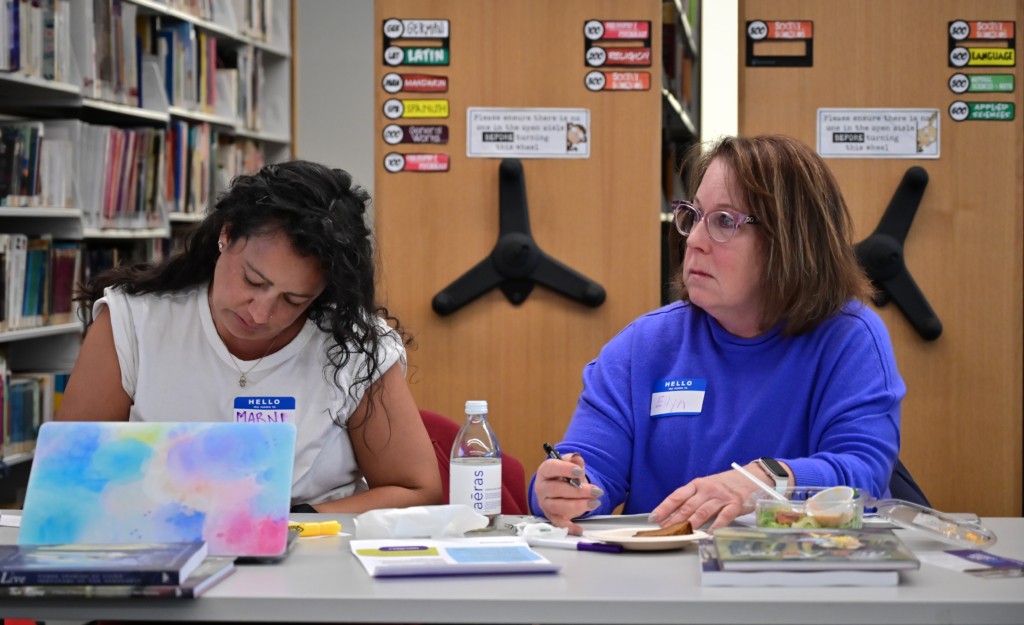
Conference Participants at the University of Toronto Schools.
On October 13, the Scottish Graduate School for Arts & Humanities hosted a panel and workshop featuring members of SCVN’s Rwanda Research Cluster titled ‘Community Engagement and Intercultural Sensitivity: Ethics, Design and Practice’. It was led by Dr. Fransiska Louwagie and featured three speakers with backgrounds in ethnographic research: Drs. Anna Ball, Erin Jessee, and María Soledad Montañez. The full day event included an online panel in the morning and an in-person workshop in the afternoon, hosted at the Sir Duncan Rice Library at the University of Aberdeen.
The panel focused on how community engagement is an increasingly important academic practice, offering insightful pathways to both the impactful dissemination and collaborative creation of new knowledge.
Anna Ball introducing the morning panel session. Photo credit: Fransiska Louwagie.
It explored the questions: how can we ensure that engagement practices are sensitive to the cultural identities, practices and beliefs of those within the communities with which we work? And how can we design community engagement practices that enhance understanding, dialogue and agency across perceived differences, in ethical ways?
Following the panel, the workshop invited the speakers to share their experiences with safeguarding, consent, positionality, trauma-informed practice and participant agency. They examined what interculturally sensitive community engagement looks like in terms of research design, ethics and practice. They also focused on the use of listening as a methodology for community engagement of various styles, with lessons from academic experts in intercultural fieldwork with varied communities, including survivors of the Rwandan genocide and people navigating the asylum system.
From left to right: Rwanda Research Cluster Co-Leads Fransiska Louwagie and Erin Jessee, with Advanced Research Fellow, Anna Ball. Photo credit: Fransiska Louwagie.
This year’s AGM convened eighteen Research Cluster Co-Leads, project partners and researchers from Canada, England, Germany, The Netherlands, Scotland, and Switzerland. The AGM focused on how the five Research Clusters can prepare to “go public” through the publication of their graphic novels and associated public engagement activities. Hosted at the Royal Netherlands Academy of the Arts and Sciences’ (KNAW) Trippenhuis, the AGM provided a forum for participants to consider cross-cluster collaboration opportunities, conceptualize public engagement, share research cluster progress from the last year, and contemplate milestones for the years ahead.
SCVN Annual General Meeting for Year 3: ‘Knowledge Mobilization’ at the Royal Netherlands Academy of the Arts and Sciences’ (KNAW) Trippenhuis. Photo credit: Jennifer Sauter.
Day 1 began with cross-cluster conversations. Each Research Cluster met on a rotating basis with the other clusters to explore connections between their work, share challenges, and consider how insights from other groups could inform their own approaches.
In the afternoon, a facilitated conversation with the Iraq and Syria Research Cluster led by Fransiska Louwagie invited reflection on the cluster’s experiences developing their graphic novels and their public trajectories. The day concluded with a discussion about project planning for 2025 and beyond, including archiving, long-term community engagement strategies, audience conceptualization, graphic novel publicity, and more. Each cluster contemplated these topics and developed preliminary timelines for Year 4 of the project.
Charlotte introducing the AGM: What does it mean to “go public”? (left) and Fransiska Louwagie leading a discussion with the Iraq and Syria Research Cluster’s Leyla Ferman, Kjell Anderson, Kees Ribbens and Uğur Ümit Üngör (right). Photo credit: Jennifer Sauter.
Day 2 started with presentations from four external speakers involved in the development and/or use of graphic novels about mass violence. Steven Stegers (Euroclio) spoke about using visual media in history teaching while Rob Verheijen (Hogeschool Arnhem Nijmegen) presented on using World War II and Holocaust graphic novels in Dutch history education.
Steven Stegers from Euroclio presenting (left) and Rob Verheijen (right + below) leading our team through a workshop engaging with a Holocaust comic for highschool students to identify characters as perpetrators, victims, helpers, bystanders and society.
Sabine Rutar, Franziska Zaugg and Erin Jessee. Photo credit: Jennifer Sauter.
Fransiska Louwagie, Andrea Webb, Shannon Leddy and Elissa Boghosian. Photo credit: Jennifer Sauter.
Following these presentations, Kees Ribbens moderated a conversation with Bas Kortholt (Kamp Westerbork) and Adriaan Baccaert (Kazerne Dossin) about the development and publication of Picturing the Unimaginable: Ten Comic Authors, Ten Stories about the Holocaust and other Nazi Crimes (see below). In addition to speaking about the graphic novel itself, Bas and Adriaan shared about the associated exhibition and other public engagement considerations from the project.
Adriaan Baccaert (Kazerne Dossin) far left, with Bas Kortholt (Kamp Westerbork) presenting, moderated by Kees Ribbens (right). Photo credit: Jennifer Sauter.Cover of Picturing the Unimaginable (right).
The program concluded with status update presentations from each Research Cluster, showcasing moving film trailers and artwork from their graphic novels. It was a formative moment for each Research Cluster to share their progress and journey since their initial gathering at our Year 1 AGM in Glasgow.
We would like to thank our hosts, project partners and all those who contributed to the fruitful discussions throughout the AGM in Amsterdam. We hope the program offered participants meaningful opportunities to learn, share, and connect, and that it laid a strong foundation for the next year of the Survivor-Centred Visual Narratives project.
The graphic novel being written by Gilad Seliktar about the survival of Klaus Zwilsky in the Jewish Hospital Berlin during the Second World War is nearing completion and is scheduled for publication in 2026 or early 2027. In conjunction with the SCVN project, Aubrey Pomerance, Head of Archives at the Jewish Museum Berlin, where the Zwilsky family collection is held, and Charlotte Schallié, Project Lead and Co-Director of the Survivor-Centred Visual Narratives Project, conducted two workshops with university students in the museum’s Academy Building on June 10, 2025.
Aubrey Pomerance presenting various archival materials from the Zwilsky Collection. (Photo credit: Charlotte Schallié.)
The first group came from the Center for Research on Antisemitism at the Technical University of Berlin, the students taking part in a seminar entitled “Emotions and Holocaust Studies.” Alongside a presentation of original materials from the Zwilsky Collection which provided a broad overview of the family’s life in Berlin and their survival at the Jewish Hospital, the students were shown documents and photographs pertaining to Edgar Lax, who in February 1939 at the age of 15 went with a Kindertransport from Berlin to the Netherlands and two months later on a further Kindertransport to England. A third presentation focused on ego documents from various collections from which a wide range of emotional expressions can be gleaned.
The second group of students came from the Free University of Berlin, where they were taking part in the seminar “Linien der Unterdrückung: Graphic Novels erzählen Geschichte” (Lines of Oppression: Graphic Novels Relate History). With this group, the focus was exclusively on the archival collection of the Zwilsky family. Following the presentation of the various archival materials by Aubrey and colleagues from the archives to both groups, Charlotte elucidated the Survivor-Centred Visual Narratives Project and her previous work with graphic novels, and presented numerous examples from Gilad’s work on the Zwilsky story. The presentations were followed by a lively discussion with the students.
Students shared the following reflections about the workshops:
“The workshop with Charlotte Schallié and Aubrey Pomerance was interesting and very informative. I would like to thank them for that. We were presented with an impressive and diverse collection of sources. The focus on family history and the use of first-person documents put the scale of the Holocaust into a perspective that is often lost in view of the magnitude of the event.”
“I have always seen graphic novels merely as a didactic opportunity […] However, it only became clear to me through the workshop that graphic novels are very well suited to adequately taking into account the complexity of memory processes that the Holocaust qua essence entails. And also the production [artistic creation] process, which requires an intensive [focus and] care but above all subjective attention and, in a way, tenderness.”
Thank you to Aubrey Pomerance, and our project partner the Jewish Museum Berlin, for hosting the archival student workshops this summer. We appreciate having in-person workshops for students to engage with the Zwilsky collection, learn about archiving, and gather insights into the process of creating an SCVN graphic novel.
Learn more about Klaus and Gilad’s collaboration here.
On the day before the opening of the ‘I will not remain silent!’ exhibition at the Kunsthaus Wiesbaden, the four featured artists, Nora Krug, Tobi Dahmen, Birgit Weyhe and Hannah Brinkmann, met to discuss their creative processes when producing visual narratives. During this workshop, they had an opportunity to discuss their past and current work as well as some of the potential challenges and questions when working in the genre of visual narrative.
The event was moderated by the curator Jakob Hoffmann and featured a keynote speech by Dr. Ole Frahm on the traces of the Holocaust in comics from 1945 to now. Each of the four artists gave a thirty-minute presentation in which they reflected upon their present pieces in a larger context of their work. Nora Krug, currently the artist-in-residence at the Fortunoff Video Archive at Yale, presented on her archival research and offered a glimpse into her work in progress inspired by the recorded testimonies.
After the round of presentations, the artists had a chance to share their thoughts and questions in a discussion with each other. According to Jakob Hoffmann, the debate was very productive and “collegial” as it became evident that “all these artists face similar challenges and questions”. He adds: “Everybody was really thankful for the opportunities this event offered to everyone involved”.
For our earlier post on the Kunsthaus Wiesbaden exhibition, please click here.
In a session titled ‘A Kind of Resistance: Illustrating Holocaust Survivor Stories’ that took place at the Pennsylvania State University on February 25, graphic artist Miriam Libicki discussed the collaborative nature of her graphic narratives. During the event, she showed a detailed deconstruction of the process of building a graphic novel out of interviews and active collaboration with survivors, historians and researchers. She discussed the unique strengths, as well as challenges, of using comics to depict the Holocaust, and to depict subjective memory in the absence of photographic documentation.
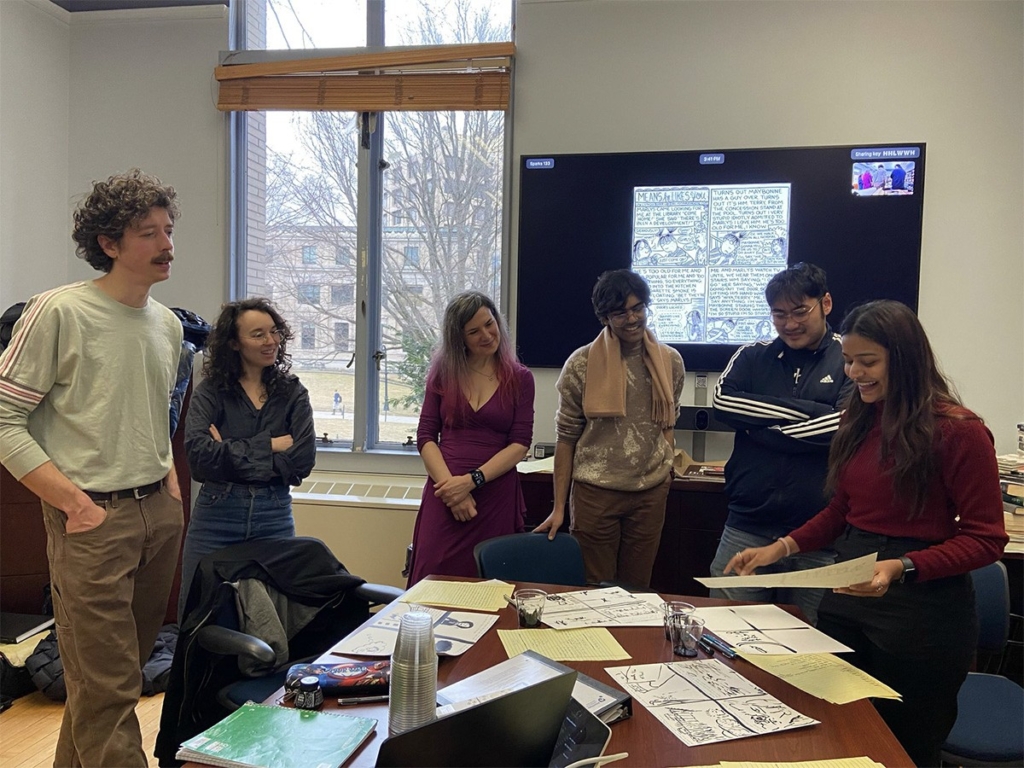
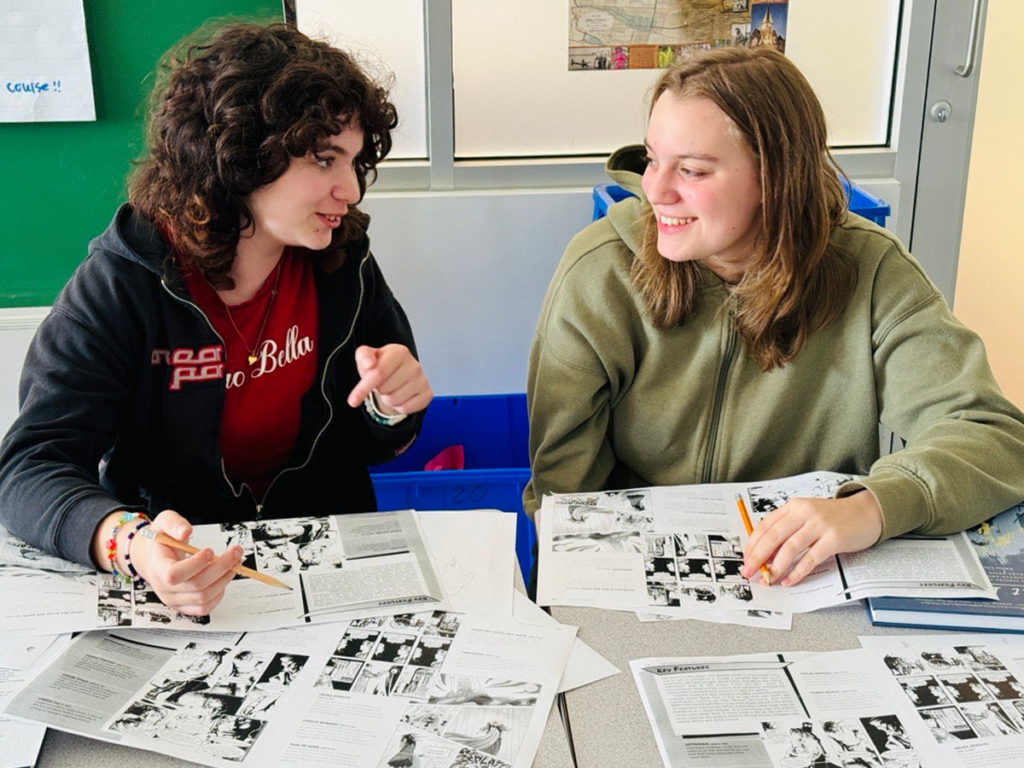
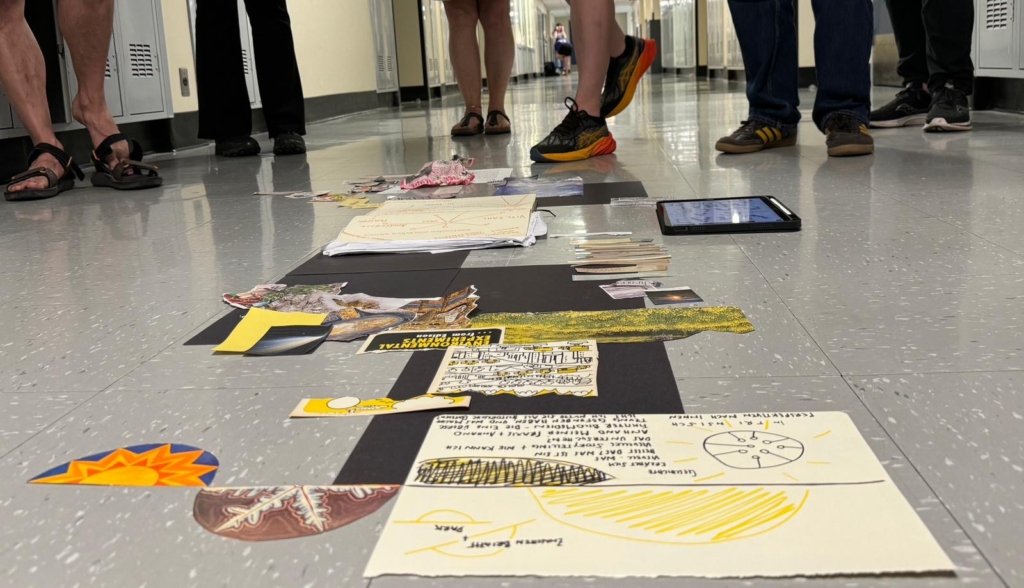
Students engaging with workshop drawings created in session. Photo credit: Kobi Kabalek.
During the follow-up event on February 26, ‘Inking the Unthinkable: A Sense-Memory Writing and Cartooning Workshop’, participants engaged in a drawing exercise to experience the creative process as an act of memory, observation, and communication. According to Libicki, this hands-on memoir comics workshop was inspired by educator/cartoonist Lynda Barry’s theories of creative concentration as “deep play,” and writing as “delivering an image.”
Workshop drawing exercise led by Miriam Libicki. Photo credit: Miriam Libicki and Kobi Kabalek.
Miriam Libicki’s most recent collaborative piece, ‘A Kind of Resistance’, was published in the anthology of Holocaust survivor graphic memoirs But I Live: Three Stories of Child Survivors of the Holocaust which received the Canadian Jewish Literary Award in 2022.
For further reading about the collaborative nature of Miriam’s art and the research behind her graphic narrative featured in But I Live, please click here.
‘A Kind of Resistance: Illustrating Holocaust Survivor Stories’ February 25, 2025 2:00 pm EST W043A Dewey Room Collaboration Commons, Patee Library Pennsylvania State University Event link: https://events.la.psu.edu/event/a-kind-of-resistance/
‘Inking the Unthinkable: A Sense-Memory Writing and Cartooning Workshop’ February 26, 2025 2:00 pm EST College of Liberal Arts – 133 Sparks Building Pennsylvania State University Event link: https://events.la.psu.edu/event/inking-the-unthinkable/
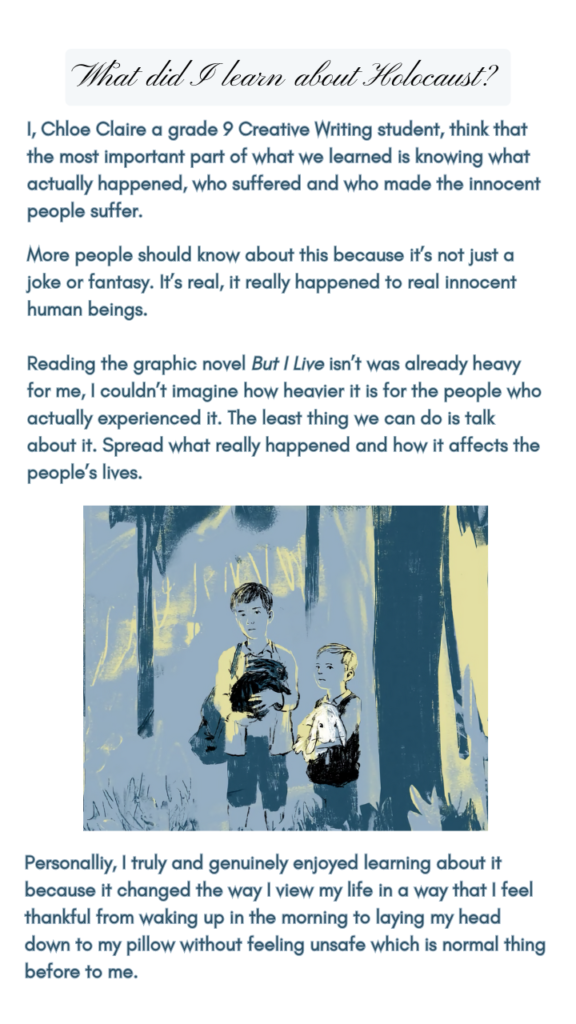
On October 2 & 3, SCVN Co-Director Dr. Charlotte Schallié visited a ninth/tenth creative writing class at Victoria High School (Vic High). The students, guided by their creative writing teacher, Georgina Hope, participated in an interactive lesson that brought the testimonies from ‘But I Live: Three Stories of Child Survivors of the Holocaust’ into the classroom. Through discussion of the book, Charlotte introduced the students to the ways that graphic novels can support learning by creating an emotional connection to the material.
Students at Vic High participating in a graphic narrative exercise. Image credit Charlotte Schallié.
‘But I Live’ brings together three graphic narratives that share the personal life journeys of Holocaust child survivors. These stories provide young readers with accessible and emotional insights into historical events, illuminating what it meant to survive the Holocaust as a child. By connecting with individual experiences, students were encouraged to see beyond facts and figures and understand history on a personal level.
This visit also incorporated a lesson plan from the educator’s resource created by Dr. Andrea Webb. This resource package is designed to support teachers in engaging a difficult topic such as the Holocaust, using graphic narratives as an entry point to explore context, events, and the consequences of historical trauma. This approach doesn’t simply inform—it empowers students and teachers to reflect on history and develop critical skills, such as empathy and historical awareness, which remain relevant to current societal challenges.
Some of the students later shared what they learned in their own words.
I think reading the book opened my eyes and I really felt the emotion of the book. The book was definitely a great read and I’m sure it broadened my understanding. The drawings were so well done, and the mute colours really make you feel the emotion in the book. I feel what Charlotte was talking about with the graphic novels is true. We definitely should be reading more graphic novels in high schools, because they’re easy to read, but get the point across right. I don’t feel graphic novels should be seen as childish most of the time because they carry deeper stories with good morals.
A person named Charlotte Schallié came to my class, she is a professor at UVic, and an author. She talked about how graphic novels are just as valuable as normal books. I would agree with this, I think that the pictures help portray a better story than words do. She also showed us some stuff on the holocaust. It was a graphic novel, and more specifically the process of making it. They talked to multiple holocaust survivors and had them tell their stories, in their own words and only what they wanted to say. I thought that was cool, because it seems more respectful to the holocaust survivor.
I have learned that the Holocaust has killed 6 million Jews. The injustices before, during, and after the Holocaust are innumerable. It’s sad to see such hate grow for so long and so intensely. I’ve had fun with the graphic novel project, and I enjoyed the Survivors theatre production. It’s awesome to see the Holocaust explained in a compelling way, in a way that encourages readers and viewers to be in the experiences of those we read about or watch.
I have never learned about the Holocaust until this project. I found it fascinating but also so emotional to learn about. I can’t imagine what it would have been like in that time. When Charlotte Schallié came into the classroom and told us more facts and stories about the Holocaust it was fascinating. My favourite part about this project though, was the play. I enjoyed watching the good acting, and it was a more fun way to learn about this devastating event in history. People need to know. I think that this should be learned about in class more and it was a good way to learn about it through graphic novels. The Anne Frank graphic novel, I found personally, is really hard to read, but it was good all the same.
The students participated actively, exploring graphic narratives as a storytelling medium and recognizing the power of personal narrative within historical contexts. Charlotte’s visit demonstrated how art and personal testimony can bridge generations, creating a meaningful connection to the past. Thank you to Georgina and class for your engagement with ‘But I Live.’ Experiences such as this class visit emphasize the potential wide-ranging impact of the graphic novels created by the SCVN project.
From July 4-6, our project partners at the Institute for the Performing Arts and Film at the Zurich University of the Arts (ZHdK) hosted an interdisciplinary arts-based research incubator for scholars, artists, storytellers and educators who joined us from Canada, Austria, Germany, the Netherlands, Finland, Israel and Cameroon. This interdisciplinary exchange included graphic artists from the Survivor-Centred Visual Narratives (SCVN) Project, who were invited to share insights from their ongoing collaborative memory work with survivors of genocide.
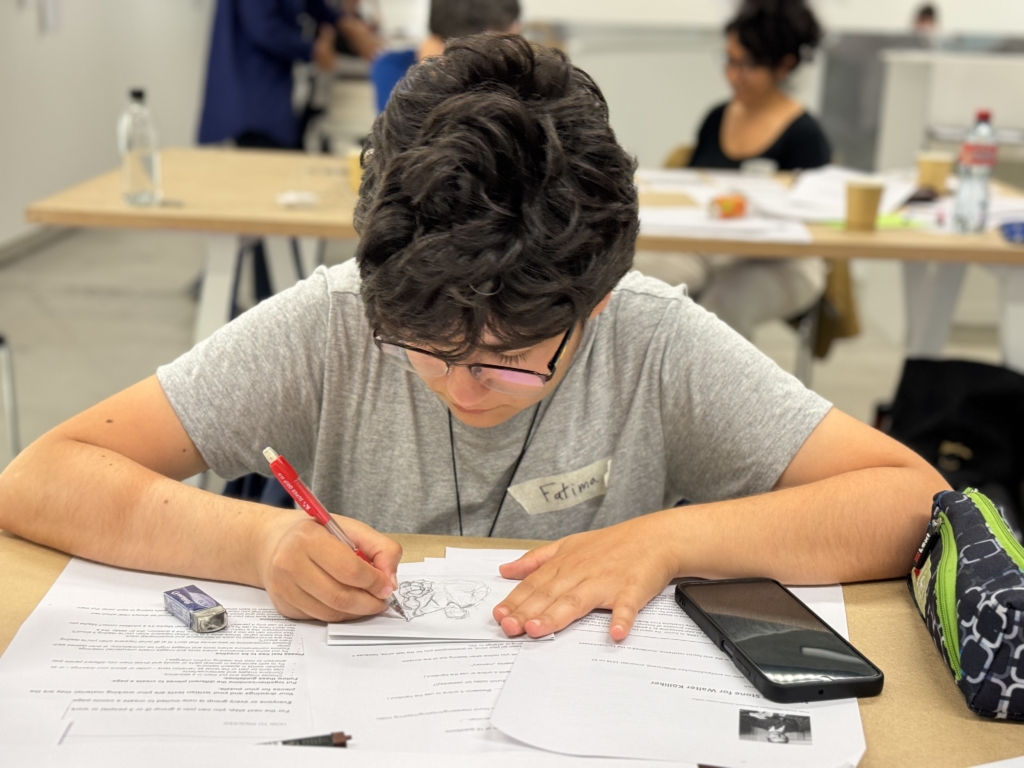
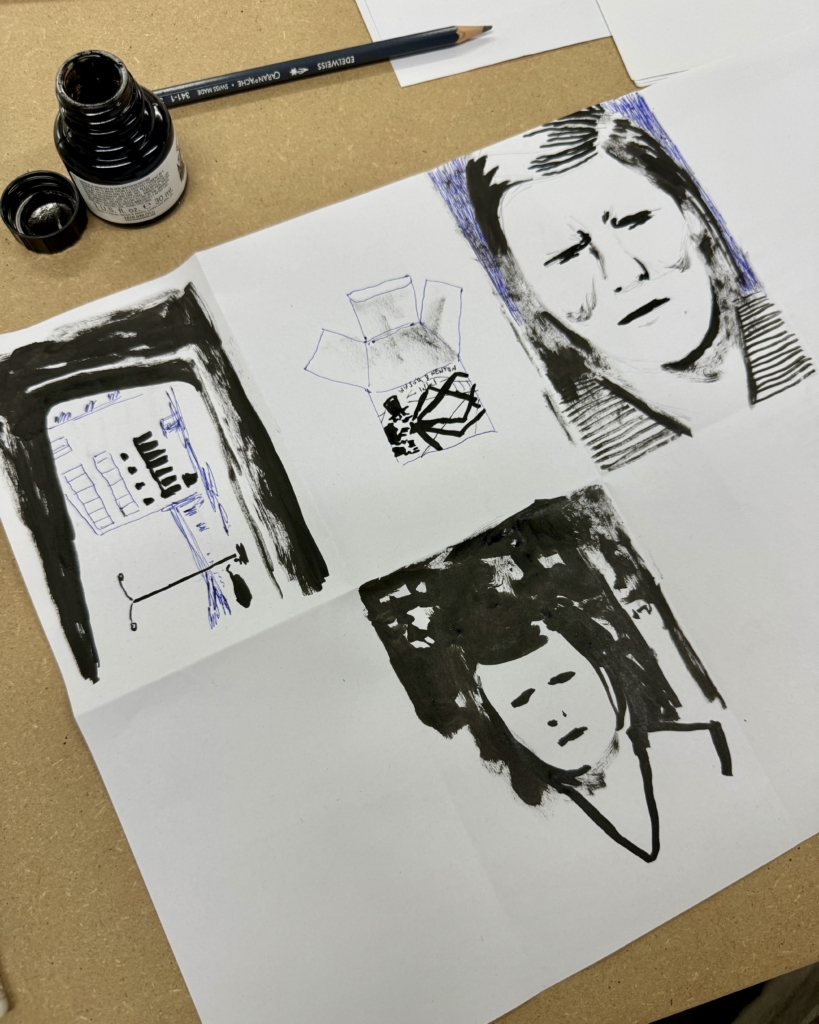
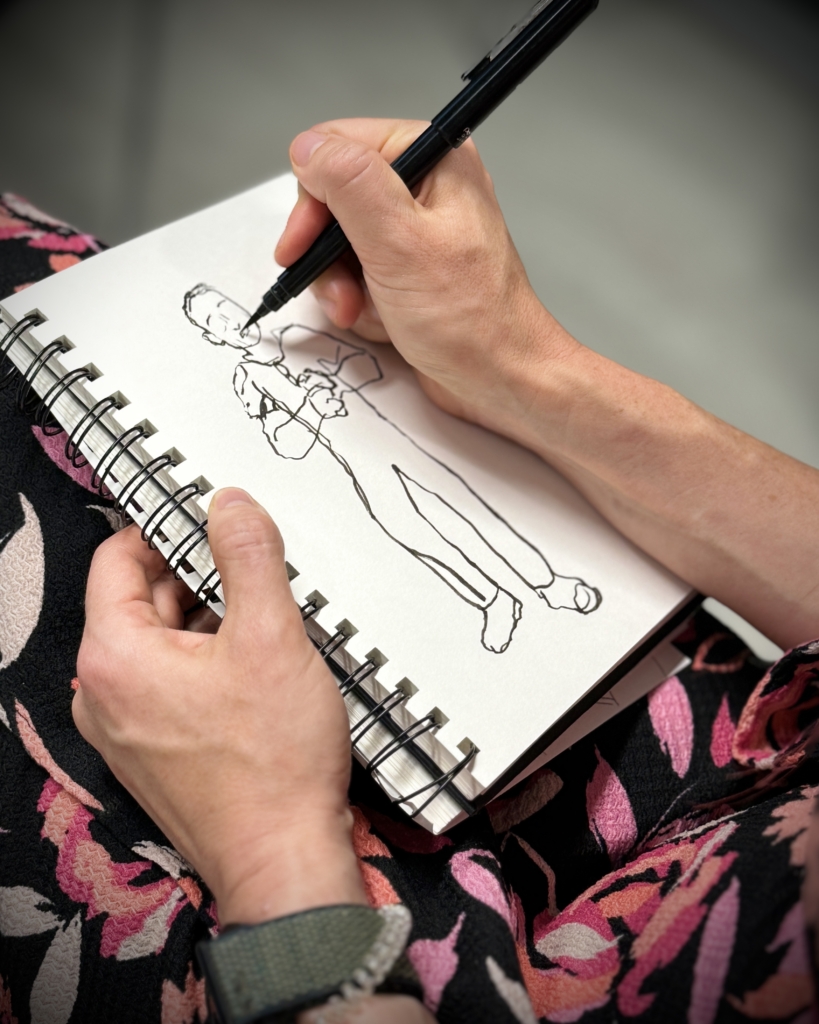
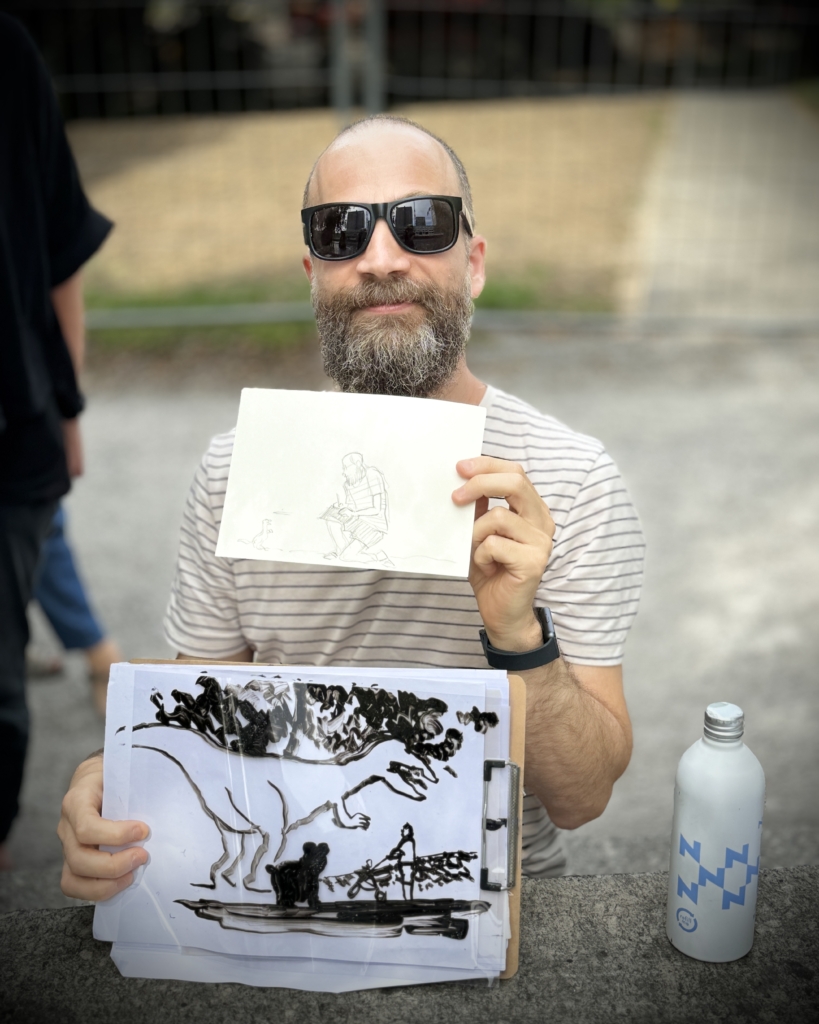
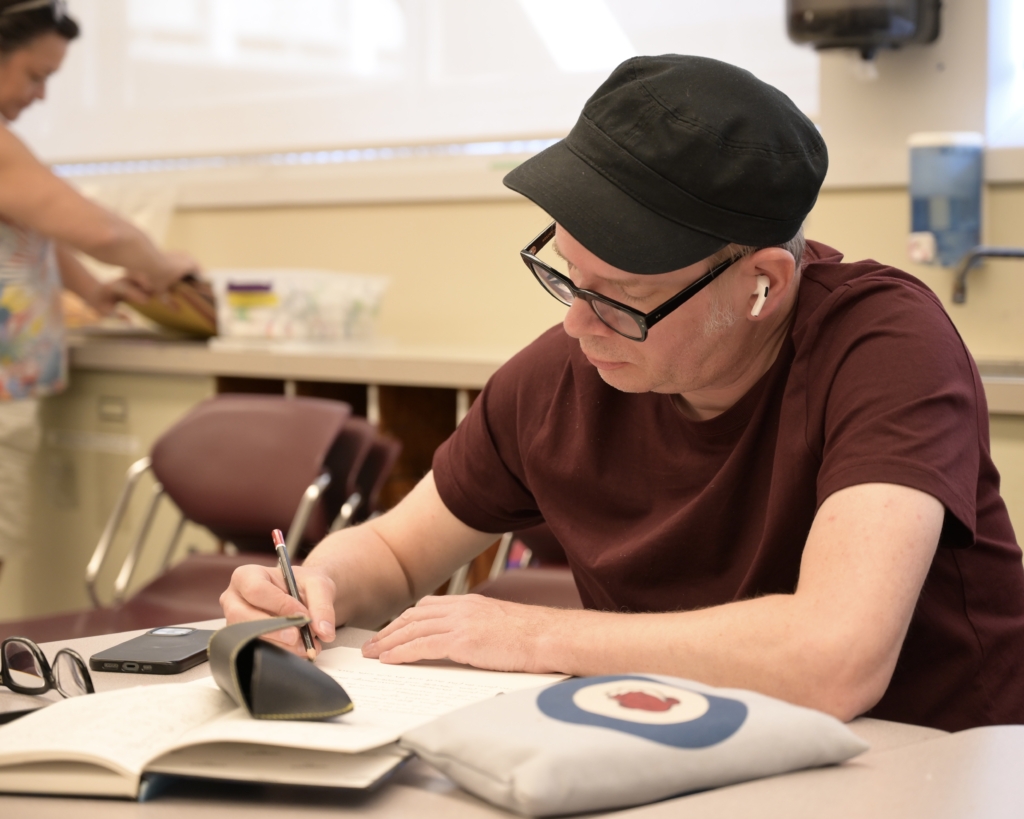
Participant sketching. Image credit Charlotte Schallié.
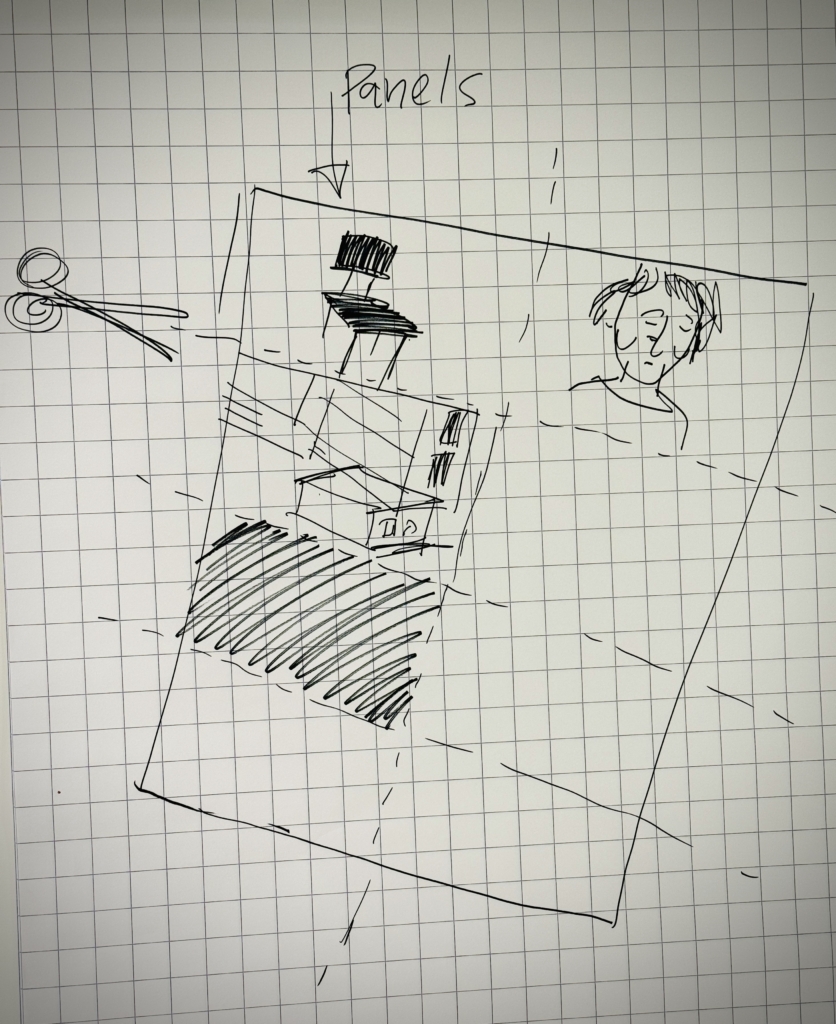
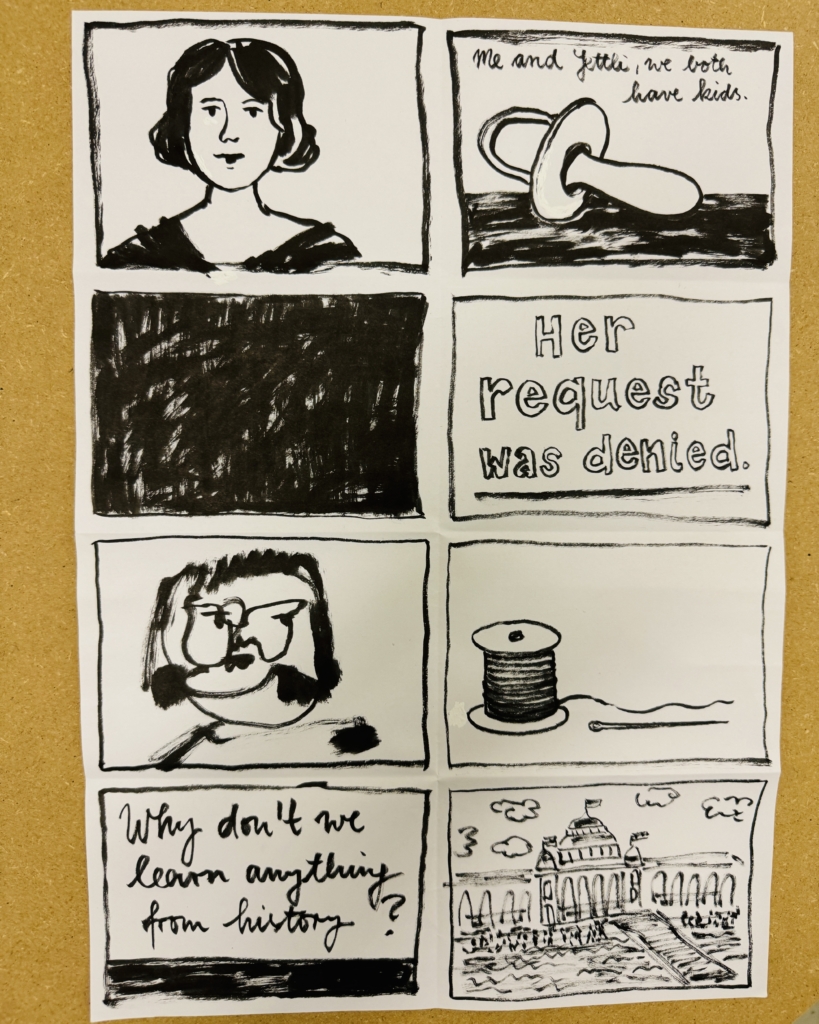
Day 1 began with a presentation by SCVN co-director Dr. Charlotte Schallié titled ‘Developing an Ethics of Care Framework in Arts-based Research with Genocide Survivors.’ Following this, a comic drawing workshop, co-facilitated by graphic novelist Barbara Yelin and Charlotte Schallié, guided participants through weaving their artistic practice with visual storytelling and historical research. Throughout the day, participants drew, collaborated, and discussed the role of memory, dialogue, responsibility, and reciprocity in artistic practice and research. Many questions emerged. For example, how can drawing as a research practice and creative tool of scientific inquiry encourage new ways of retelling histories and life narratives? What stories surface when drawings and text elements enter a space of dialogue? How can we envision the empty space in-between panels as sites of fragmented or disjointed memory?
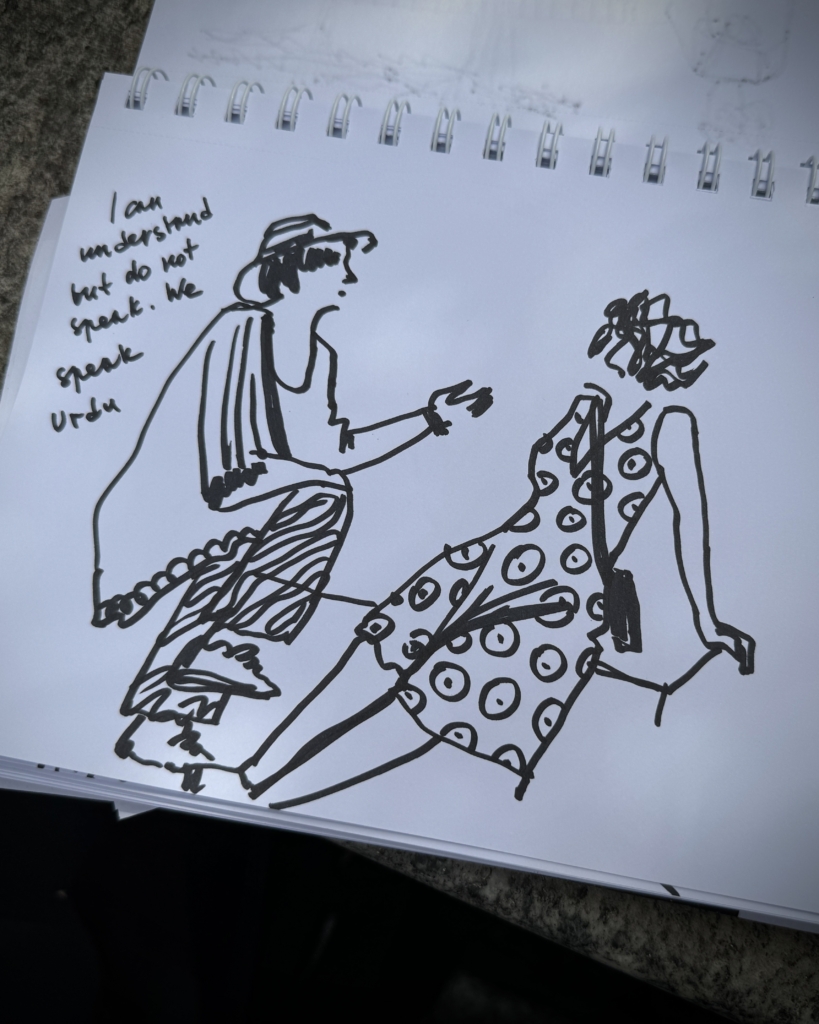
Sketches from Zurich workshops. Image credit Charlotte Schallié.
On Day 2, workshop participants gained insights into the practices, approaches, and questions emerging from the SCVN project. An urban drawing session—led by Miriam Libicki—and a reading by Barbara Yelin from her book ‘Emmie Arbel. The Colour of Memory’ brought forward ways to incorporate arts-based research methods into scholarship, teaching, creative practice, and community-based care work.
Barbara Yelin and Gilad Seliktar. Image credit Charlotte Schallié.
“What stories surface when drawings and text elements enter a space of dialogue? How can we envision the empty space in-between panels as sites of fragmented or disjointed memory?”
Day 3 held space for SCVN graphic artists to discuss how team members can continue to facilitate a community of mutual care and support across all five project-based research clusters. It served as a platform to address unresolved questions. Given the collaborative nature of the working relationships and the diverse realities and circumstances of the internationally based artists, it was invaluable to meet in person and develop a dialogue around the archiving of memory.
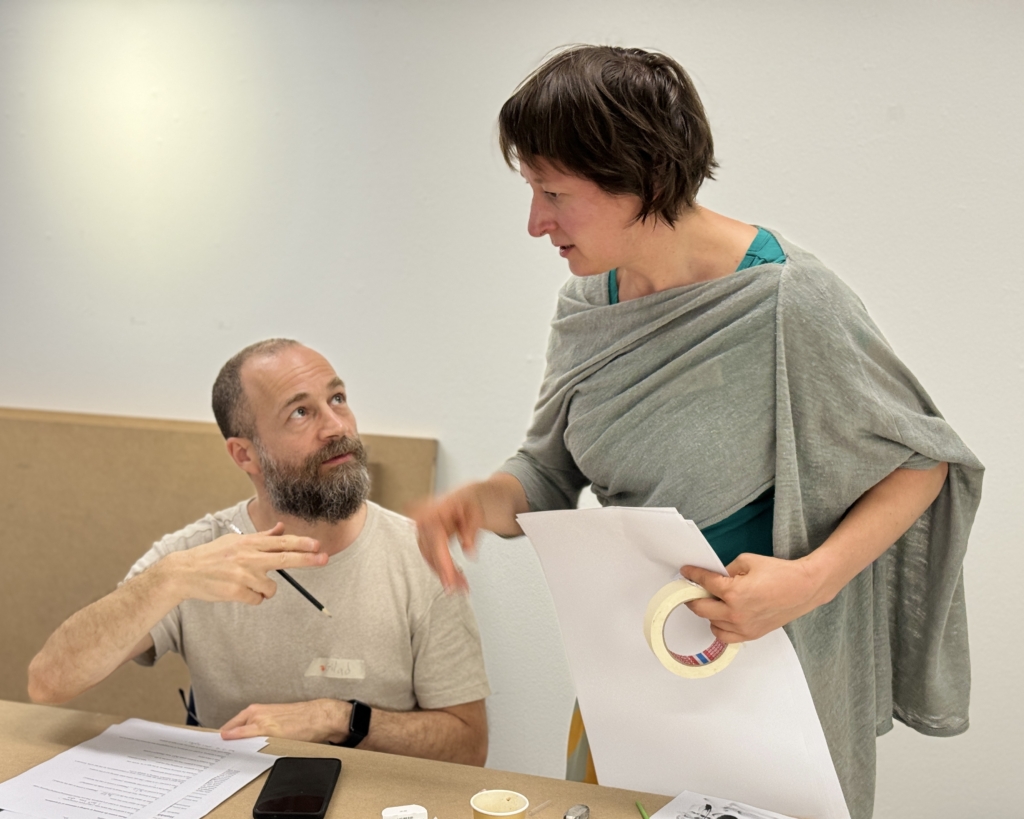
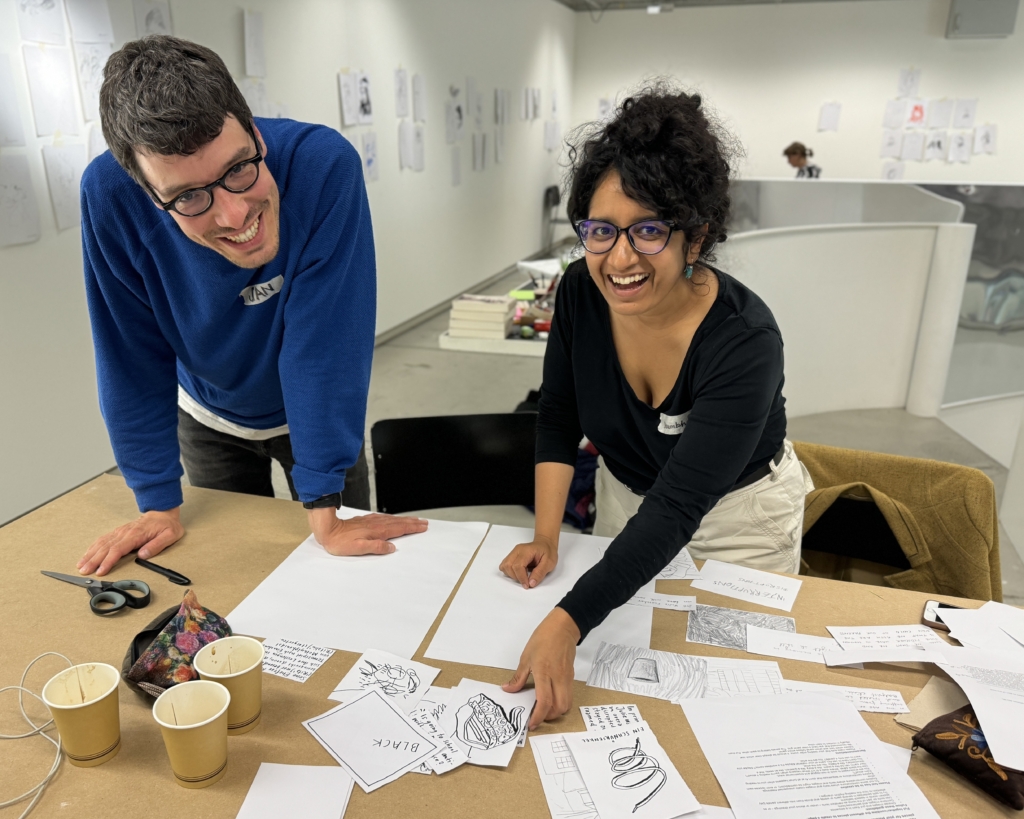
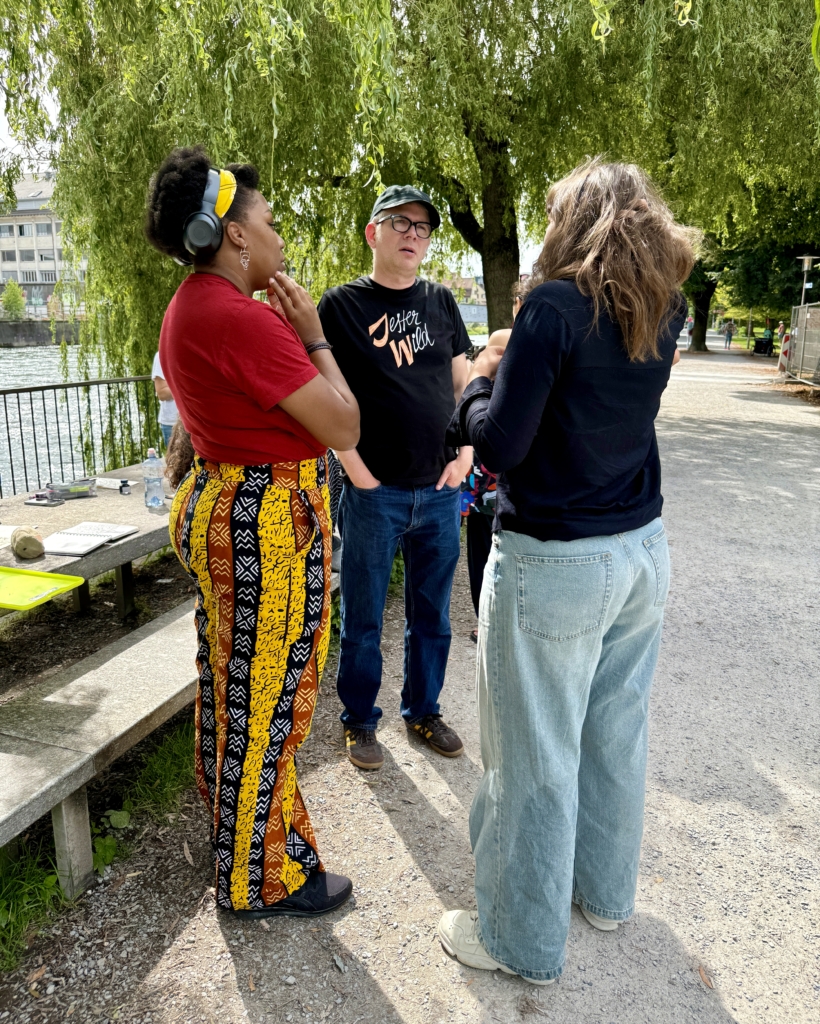
Participants at Zurich workshop. Image credit Charlotte Schallié.
A key insight from the conference and workshop was the recognition that action of gathering in a designated space for mutual learning is crucial and should be institutionalized on an annual basis. This approach is essential for fostering a dialogic relationship and establishing a solid foundation for the Community of Care needed by the SCVN project. The questions posed to the artists on the third day, such as “What does a Community of Care mean to you?” and “What resources or support do you need to continue contributing to the project?” were systematically recorded and documented. Notably, it emerged that listening and allowing space for expression are inevitable components of research projects engaging genocide and mass atrocities. Based on the responses and the comprehensive documentation from the three days, the SCVN research project can refine and optimize the design and structure of future meetings to enhance the collaborative experience.
We would like to thank to all participants who joined us to share a diversity of perspectives, experiences, and creative approaches to engage with histories and life narratives.
From June 18-20, our project partners from the University of British Columbia (UBC) and the Turtle Island Research Cluster hosted a three-day Annual General Meeting around the theme of ‘Landed Learning and Indigenous Ways of Knowing’. Artists and team leadership from Canada, Austria, Germany, the Netherlands, Sweden, and the United States, gathered with us on the unceded territory of the xʷməθkʷəy̓əm (Musqueam) people. At a pre-meeting event hosted by the German Consulate, artist Tobi Dahmen presented his recent publication, Columbusstrasse, to an engaged and enthusiastic audience. Artist Anneli Furmark also spoke to students in the UBC Nordic Studies program about her work with comics and graphic novels.
Anneli Furmark presenting to UBC students. Image credit Charlotte Schallié.
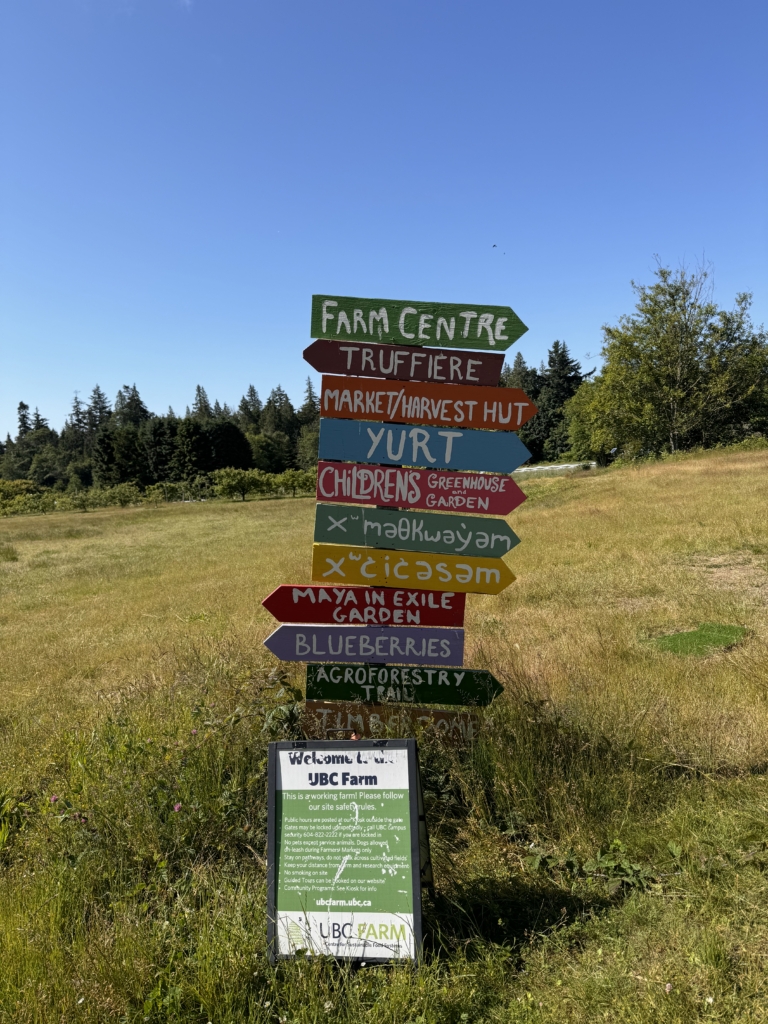
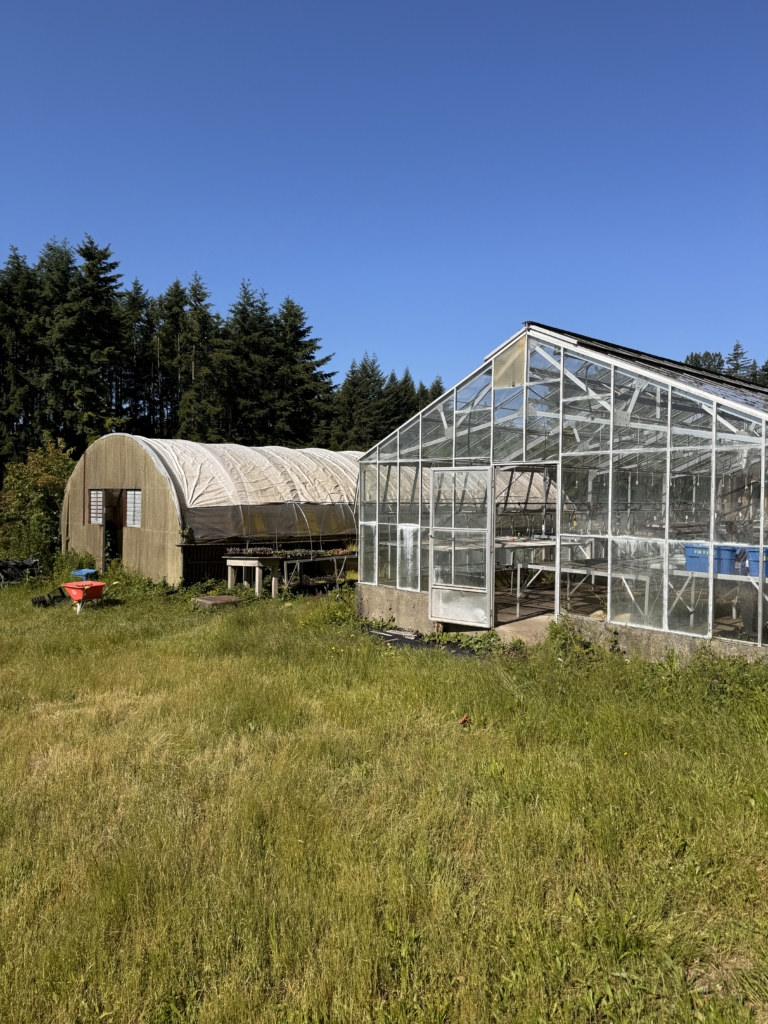
On Day 1 of the AGM, participants joined Dr. Eduardo Jovel for a presentation on Landed Learning at the xʷc̓ic̓əsəm Garden in the UBC Farm. With an emphasis on teaching, learning, and research, xʷc̓ic̓əsəm Garden serves educational and research needs related to Indigenous knowledge and its intersections with other ways of knowing; our group learned about land as teacher and food as medicine. In the afternoon, Dr. Shannon Leddy guided participants through an art-making workshop, reflecting on visual storytelling and land-based approaches to learning. SCVN data director, Dr. Matt Huculak also gave a presentation on archiving arts-based research to the project artists.
xʷc̓ic̓əsəm Garden. Image credit Raey Costain.
xʷc̓ic̓əsəm Garden. Image credit Raey Costain.
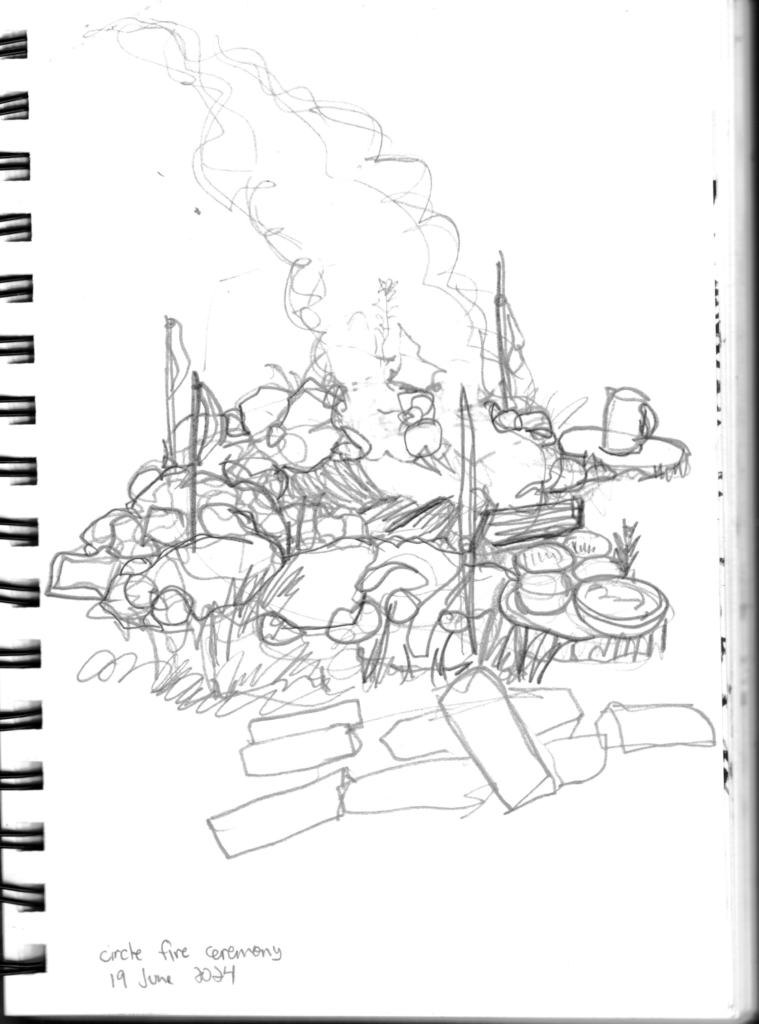
Sketch at xʷc̓ic̓əsəm Garden. Image credit Miriam Libicki.
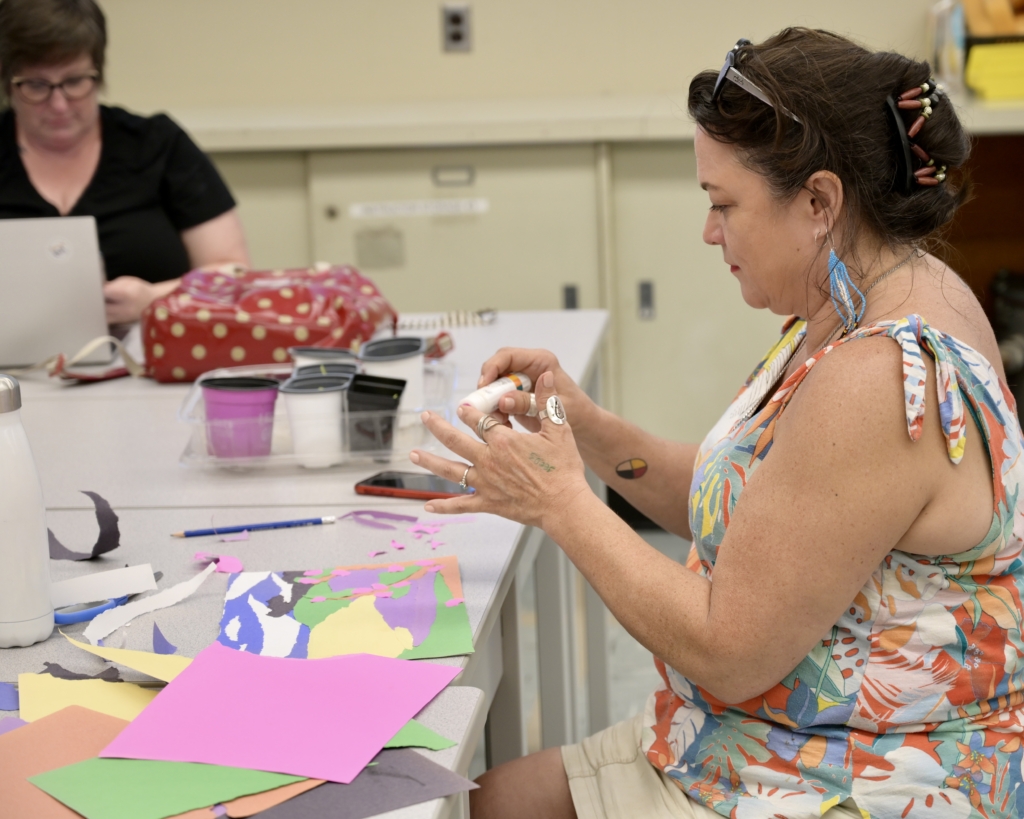
Art making workshop with Andrea Webb (left) and Shannon Leddy (right), June 19, 2024. Image credit Charlotte Schallié.
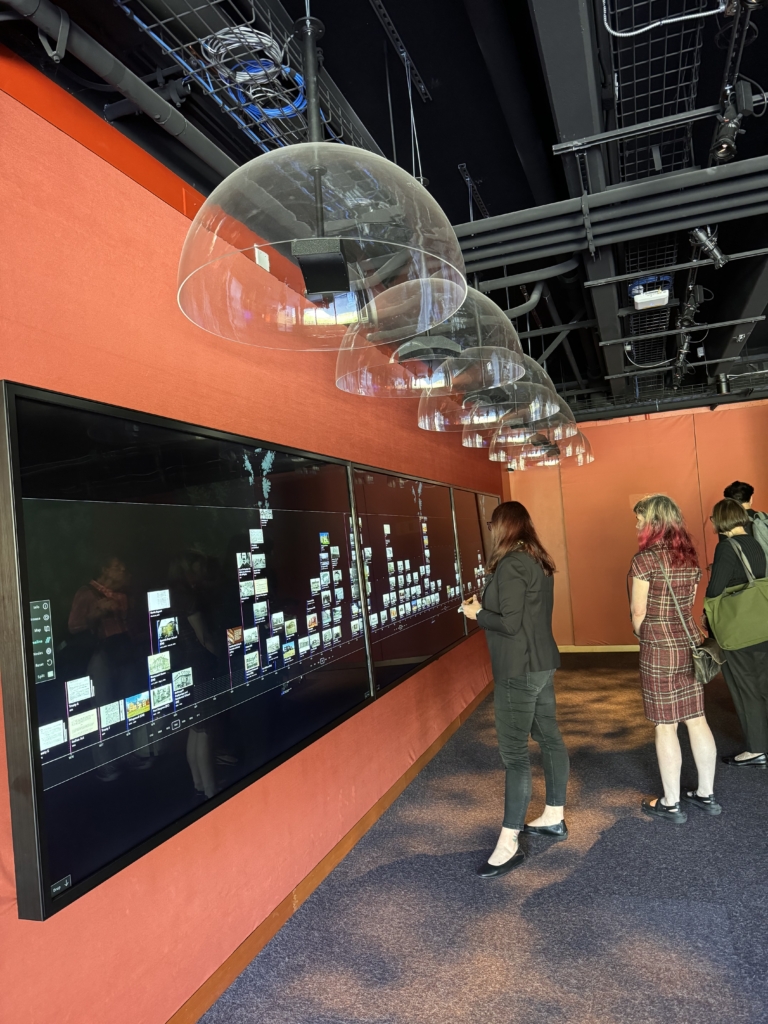
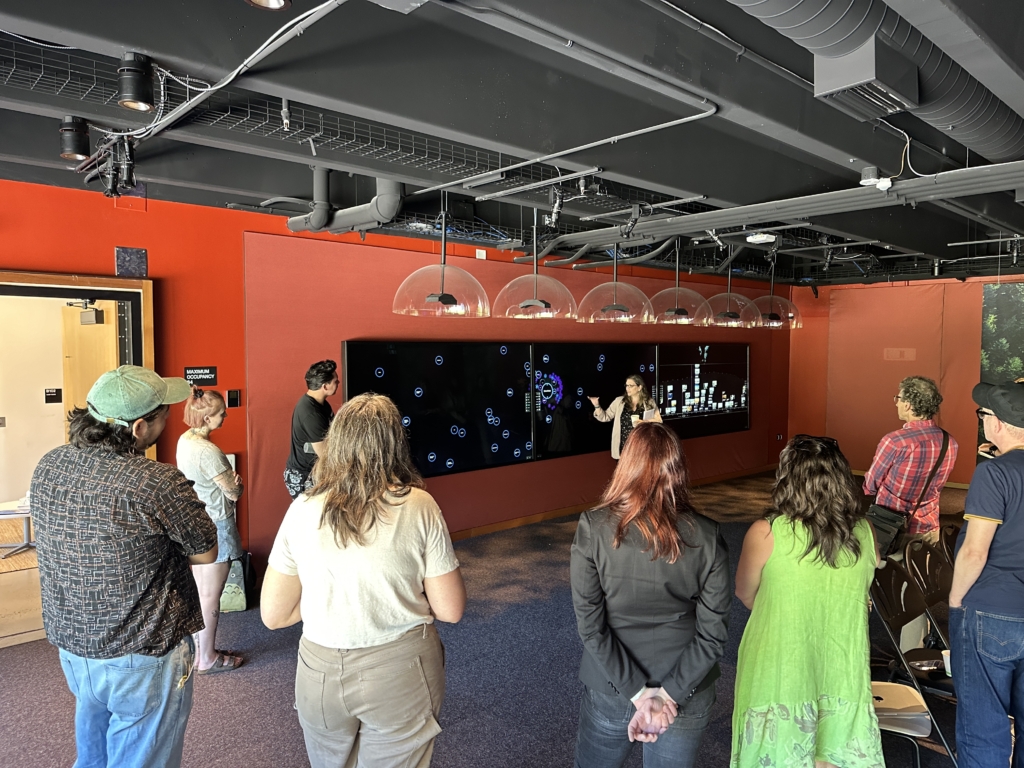
Participants exploring the interactive database at the Indian Residential School History and Dialogue Centre. Image credit Raey Costain.
On Day 2, participants gained insights into the practices and approaches of Indigenizing testimony collection and Indigenous data sovereignty with a presentation from Kristin Kozar, director of the Indian Residential School History and Dialogue Centre. Following this, Duncan McCue facilitated a reflection on traumatic testimony and survivor-centred engagement, providing the opportunity for project members to share their experiences and learn from one another.
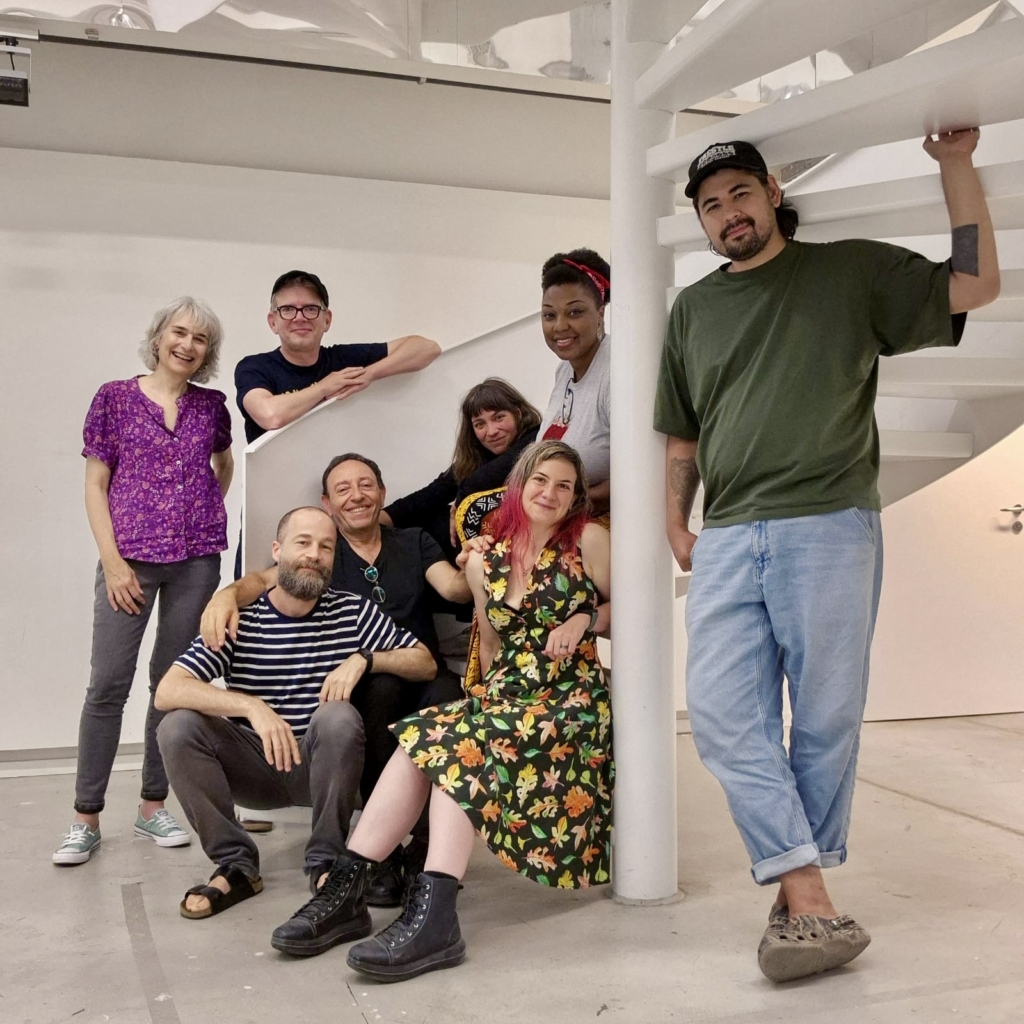
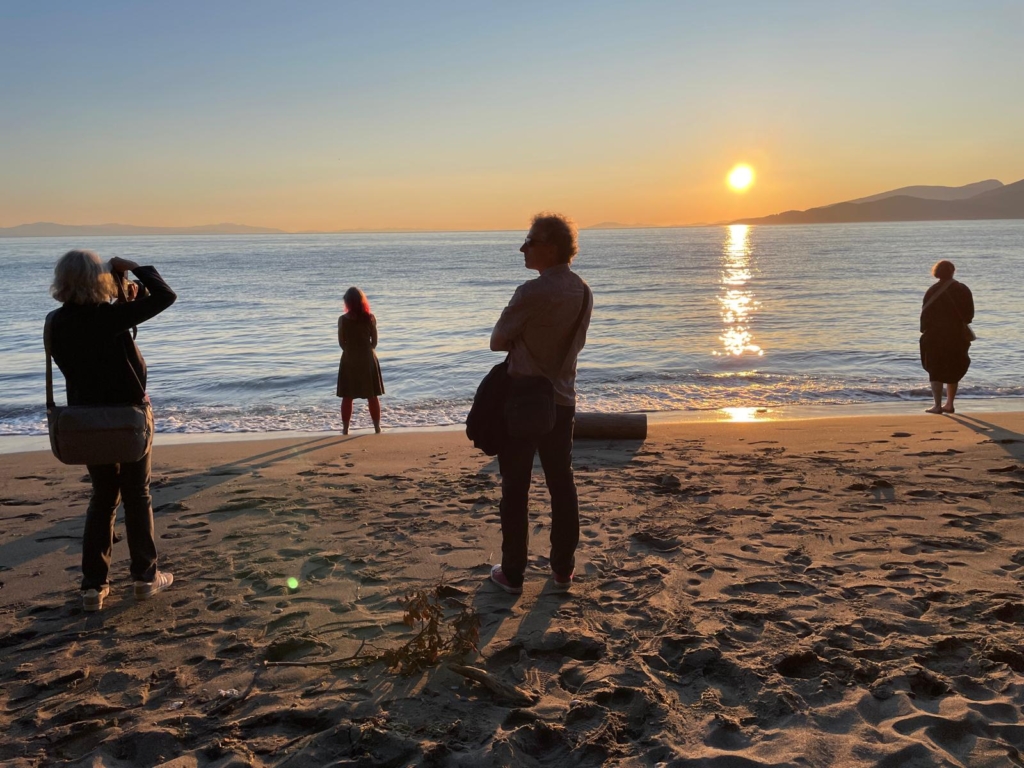
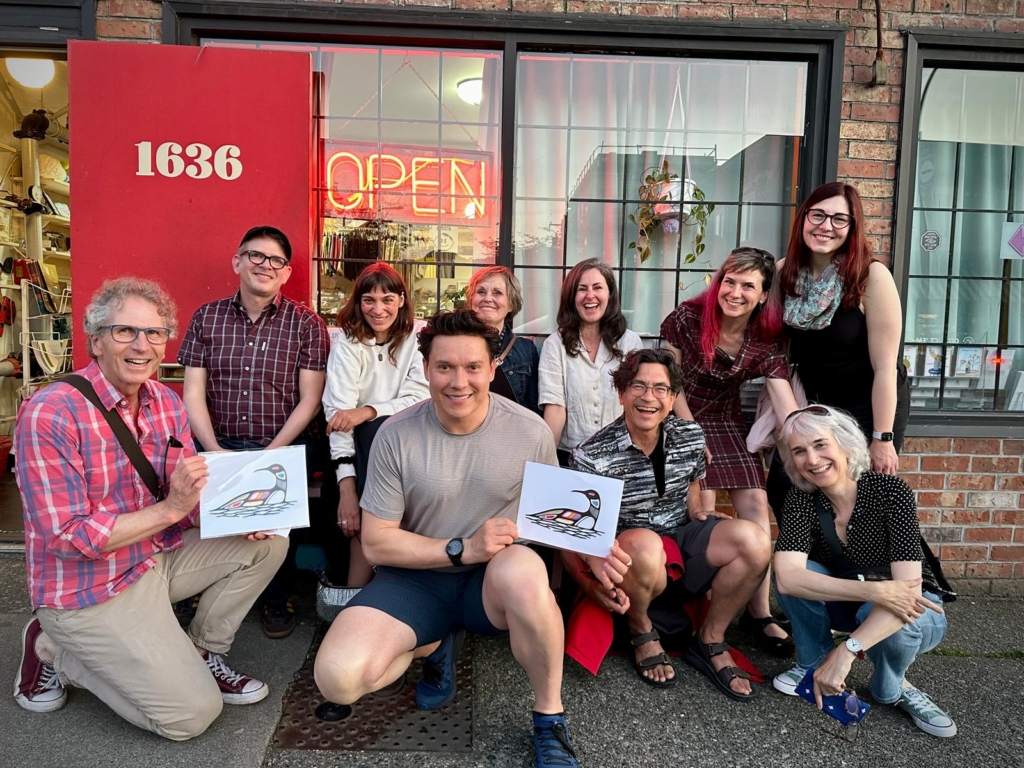
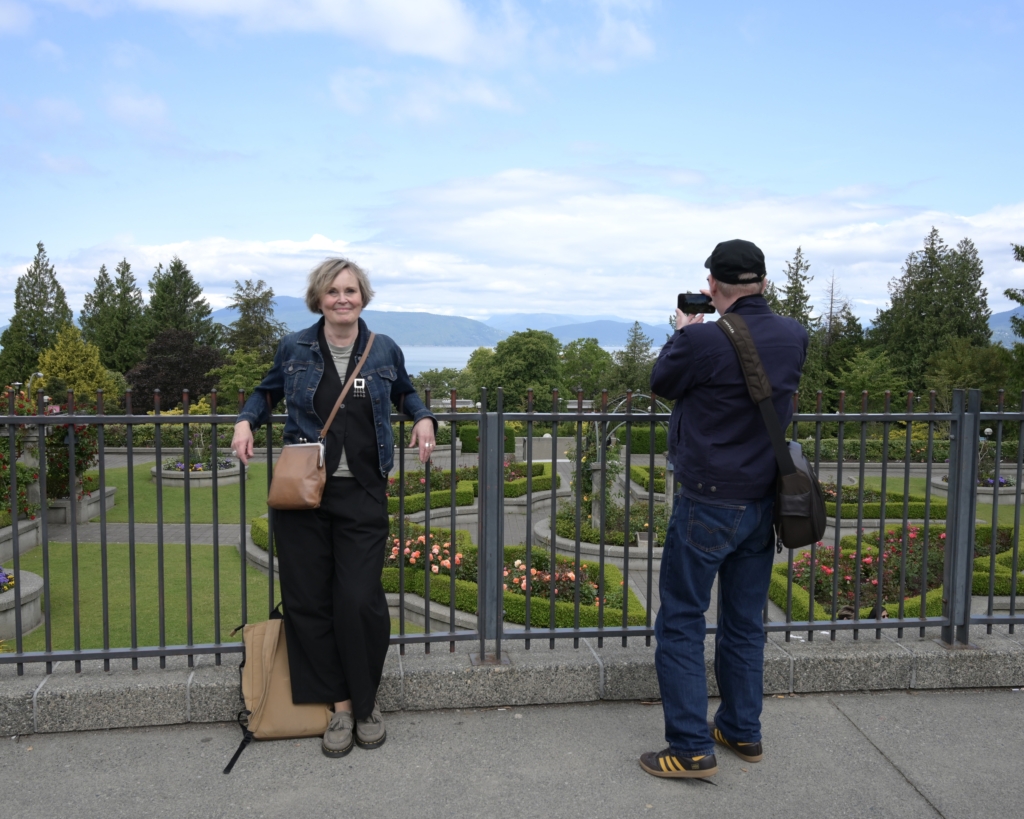
Though not scheduled activities, the artists and scholars who gathered for the AGM took frequent opportunities to spend time on the beautiful beaches and walkways that surround UBC. They also attended graphic artist Mangeshig Pawis-Steckely’s exhibit opening at the Slice of Life gallery on June 20, 2024.
Project members gathered on the beach. Image credit Matt Huculak. Project members attending Mangeshig Pawis-Steckely’s gallery opening at Slice of Life on June 20, 2024. Image credit Jennifer Sauter.
We would like to express our deep gratitude to all participants for their willingness to experience land-based approaches and share their diverse perspectives as they continue to work with survivors in creating visual narratives of testimony. We hope that our annual meetings provide opportunities for community and connection, supporting future arts-based research and acknowledging the important work created thus far.